



Medicare Open Enrollment 2026: How Outpatient Practices Can Prepare for the Patient Call Surge
Medicare Open Enrollment brings a seasonal surge of insurance-related questions, appointment requests, and scheduling concerns that can quickly overwhelm already busy front desk teams. Learn how practices can prepare for increased call volume, reduce missed opportunities, and keep patients connected to care during one of the busiest times of the year.

It’s fall, and the phones are already getting busier.
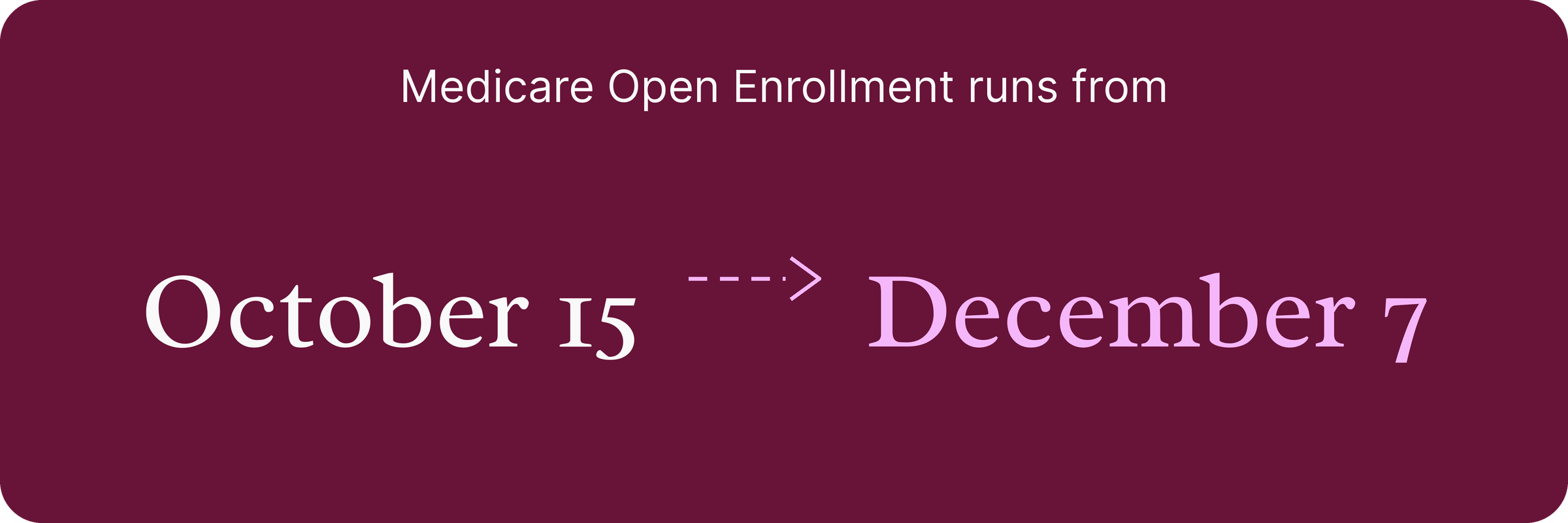
Medicare Open Enrollment began October 15 and runs through December 7. During this window, patients can make changes to their Medicare Advantage and prescription drug coverage for the coming year.
For outpatient practices, that often means more questions:
- "Do you accept my new plan?"
- "Is my doctor still in network?"
- "Can I get an appointment before the end of the year?"
Those calls are landing on front desk teams that are already checking patients in, managing schedules, handling refill requests, and trying to keep up with everything else happening in the practice.
You may not be able to prevent the seasonal increase in calls, but you can make it easier for your staff to manage. And it's equally important to think about the patients who don’t get their calls answered and decide to go elsewhere for care.
Why patients turn to their practice with insurance questions
When patients have questions about their coverage, their doctor's office is often one of the first places they turn.
Many of these questions aren't simple. A patient may want to know whether a specific physician participates in a new plan, whether their upcoming visit or procedure will be covered, or what changing plans means for an appointment they've already scheduled.
Your front desk may not have every answer, but they're still the ones picking up the phone.
And this is happening during one of the busiest times of year.
It's not just Open Enrollment
From October through December, practices are usually managing several competing demands at once:
- Cold and flu season: Same-day appointments, triage calls, and refill requests add to the normal workload.
- Open Enrollment: Patients have questions about insurance, network participation, and what a plan change could mean for their care.
- Year-end scheduling: Patients may also be trying to fit in visits or procedures before the calendar turns to January (and their deductible resets).
The result is more calls coming into the front desk. When the phone won't stop ringing, patients wait longer, calls go to voicemail, and staff spend more time working through callbacks instead of tending to patients and other in-office responsibilities.
The backlog often carries into the next day.
When missed calls start adding up
When the phone keeps ringing, something has to give. Callers often hang up after a long hold or too many rings without an answer, and some of them don’t call back.
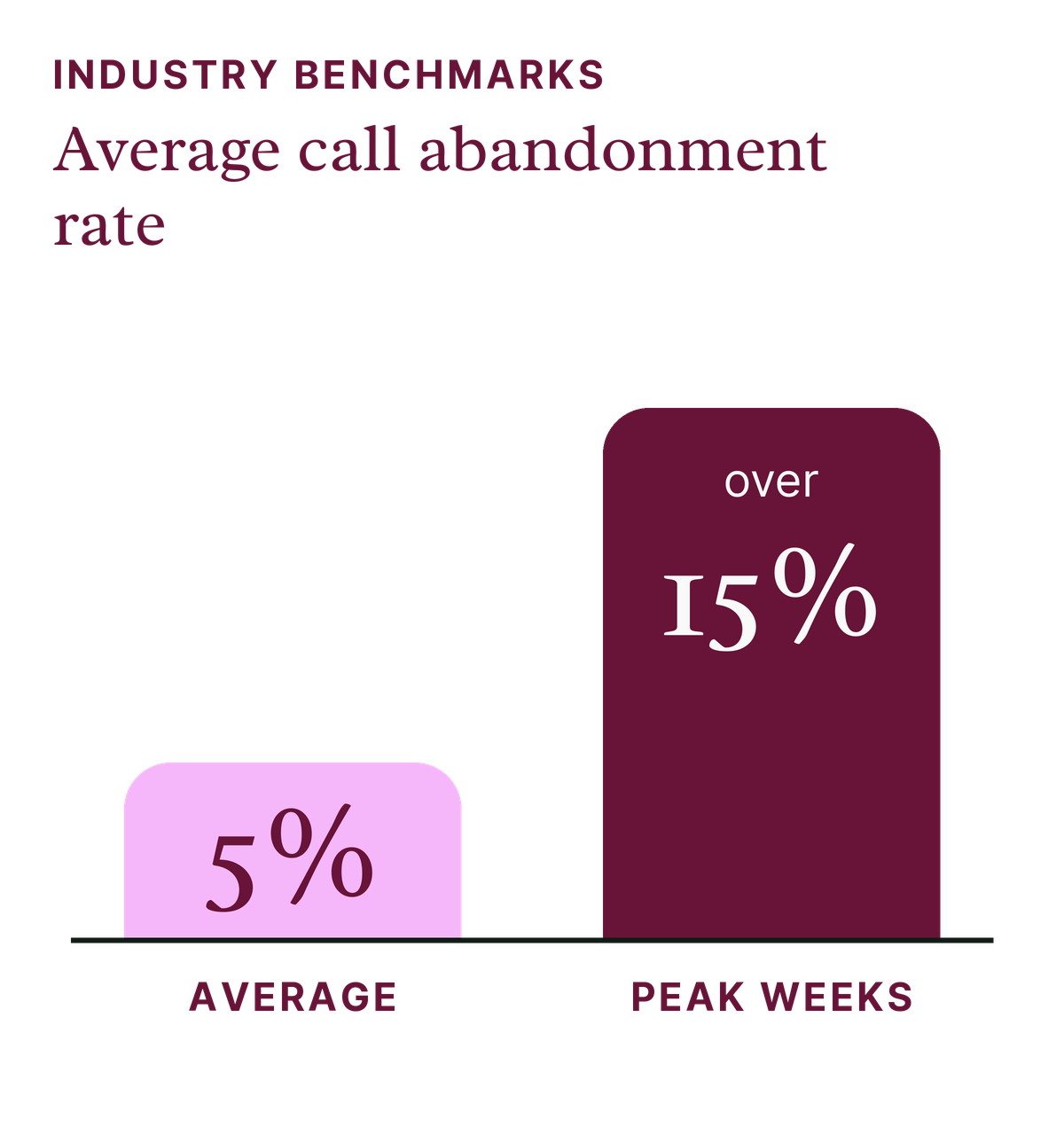
In fact, industry benchmarks show average call abandonment rates double from 5% to over 15% during peak enrollment weeks1, with up to 1 in 3 dropped callers reaching out to a competing practice instead.2
The voicemail inbox fills up, and every message becomes a callback someone must find time for. Patients who can’t reach you head to urgent care or to another practice that actually answered their call.
Procedures and visits patients hoped to book before end of year get pushed out ... or never get booked at all. Studies indicate that up to 20% of year-end procedure opportunities are lost simply due to scheduling delays caused by phone bottlenecks.
One missed call probably isn't going to create a crisis. But when missed calls become the norm during the busiest weeks of the year, it becomes a real problem.
There are a few things practices can do right now to make the end-of-year call traffic more manageable.
Three Ways Practices Can Prepare for 2026 Medicare Open Enrollment
1. Look at when your phones are busiest
If you have access to last year's call data, start there.
Look at October through December and identify the days and times when call volume was highest. That can help you plan around the actual peaks rather than building staff schedules around an average day.
If you don't have good call data, talk to the people answering your phones. Your front desk staff can probably tell you exactly when things became difficult last year and which types of calls took up the most time. The more data you get, the better your schedule will be.
2. Make the common questions easier to answer
Your team is likely going to hear the same questions again and again:
- Which insurance plans do you accept?
- Are your hours changing around the holidays?
- How do I check on an appointment?
- Who do I call about scheduling?
Give your staff simple, shared answers for the questions you can anticipate. It's also worth reviewing your website to see where you can include frequently requested information to head off some call traffic. Alternatively, if you know that many patients call about something like holiday hours, you can also update your office's voicemail greeting to answer their question with zero staff involvement.
Key takeaway: Compile simple answers for commonly asked questions so your staff has more time for the patients who need more comprehensive help. Also think about common communication channels where this information can be disseminated automatically.
3. Have a plan for the calls your staff can't get to
Even with better planning, there are only so many calls a front desk team can handle at once.
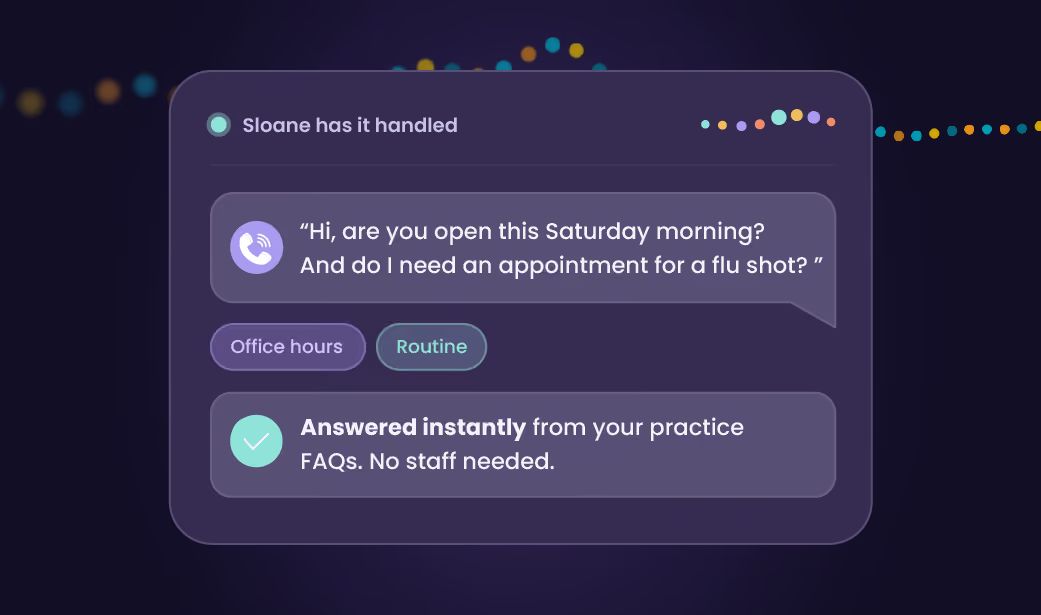
An AI-backed answering service can help practices manage incoming calls without giving extra work to front desk staff. Routine requests can be handled entirely by a conversational AI agent, while calls that need human attention can be directed to the right person immediately.
Getting through the year-end rush
Picture a Monday morning in November with smooth operations:
- The phones are busy, but callers aren’t waiting on hold.
- Insurance and hours questions get answered quickly.
- Urgent calls reach the right person.
- Your front desk is checking in the patients standing in front of them instead of working through a full voicemail box.
- Patients get their year-end appointments booked.
- Your team goes home on time, not behind.
By December 8, Open Enrollment will be over. The phones won't stay at peak season forever.
A little preparation now can make November and December a lot easier on both sides of the phone. The goal is make sure you've given staff a better way to manage the increase in calls while keeping patients connected to the practice.
Take the next step
Want to see how PerfectServe’s Intelligent Answering can help your practice manage seasonal call volume?
See it working for real teams













Bring us the workflow that [hurts most]
We'll show you how it runs on PerfectServe, with your teams, your sites and your EHR.