






Why Clinician Wellness Starts with Operational Wellness
What physicians and nurses told us about burnout, and why fixing everyday operational friction is where clinician wellness starts.
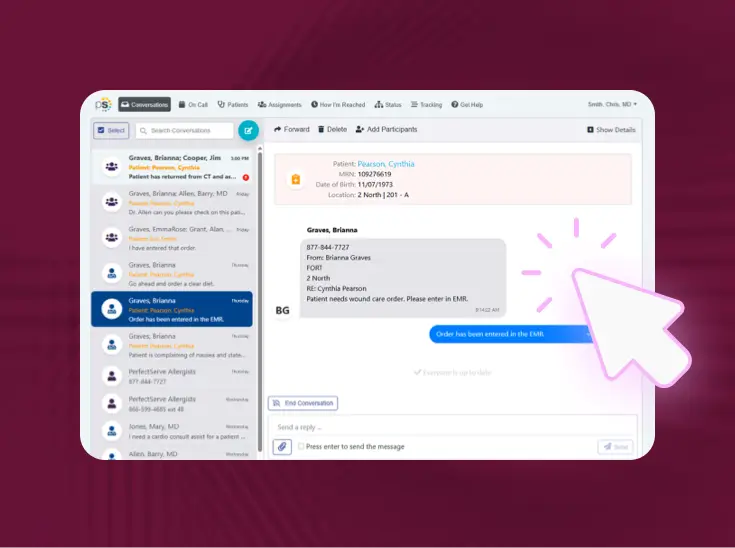
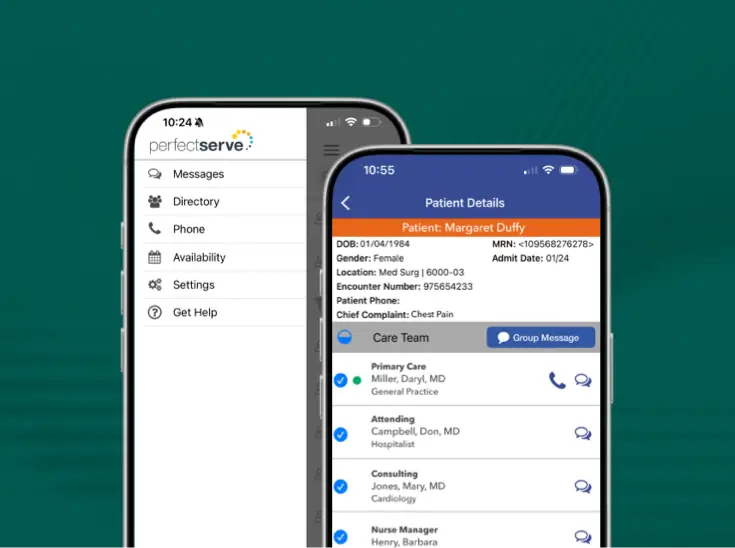
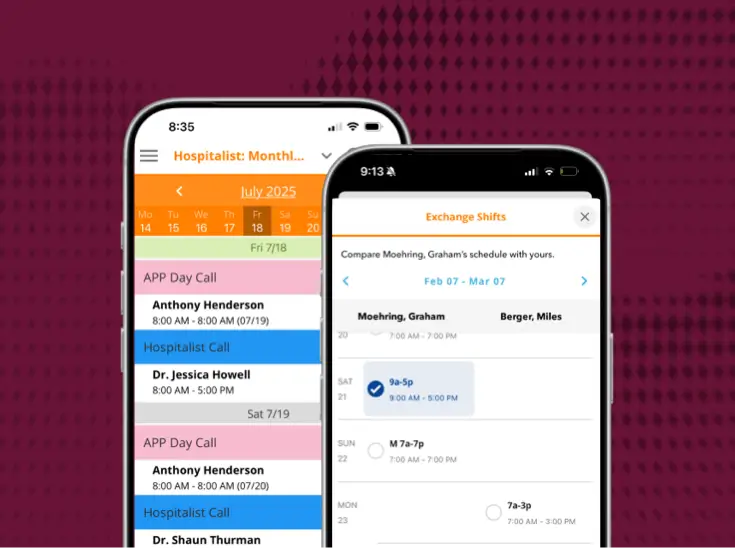
Clinician wellness is usually treated as a personal problem, answered with resilience training and wellness apps. The clinicians we surveyed pointed somewhere else: the daily operational friction of schedules that ignore their preferences, communication that reaches the wrong person, and administrative work that pulls them away from patients.
This report covers what clinicians told us about the state of the industry, where the pressure actually comes from, and which operational changes they believe would make the biggest difference.
See how PerfectServe deploys at scale
















Bring us the workflow that [hurts most]
We'll show you how it runs on PerfectServe, with your teams, your sites and your EHR.