



When Institutional Knowledge Meets High Operator Turnover
Discover how modern operator workflows can embed critical information directly into daily processes, making communication more consistent, reliable, and easier to manage.

Every hospital switchboard has that operator who just seems to know everything.
They know who’s covering cardiology tonight, which directory listing is outdated, how to route a transfer when the standard process doesn't work, and what to do when the on-call schedule isn't updated.
That kind of experience is invaluable and irreplaceable, but it's a problem when the switchboard depends on it.
When an experienced operator moves to another role, leaves, or retires, years of institutional knowledge walk out the door with them. The next operator is left to learn the same workarounds, exceptions, and unwritten processes from scratch, and there's already a ton of other things to learn.
And in an environment where operators are already managing urgent communications, transfers, on-call coverage, and emergency responses, that's a risk hospitals shouldn't have to accept.
TL;DR? Why are so many hospitals still relying on operators to remember information their technology should already know?
Hospital Operators Work Differently
Hospital operators aren’t working a traditional contact center queue.
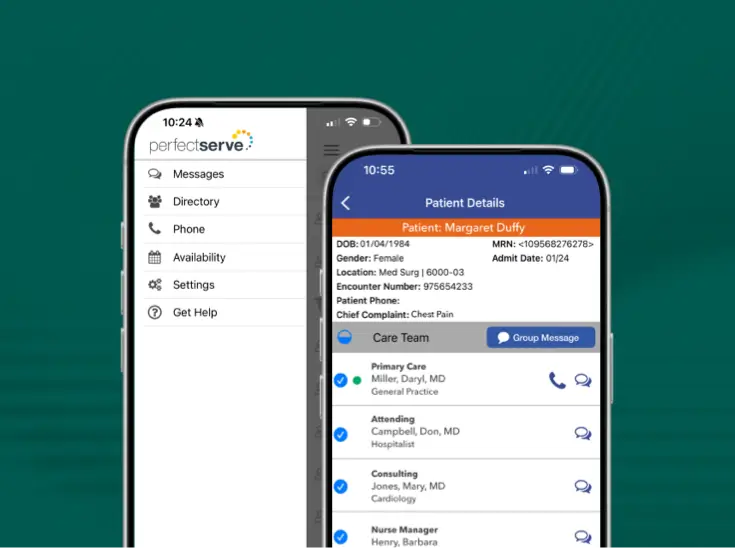
A single call might require an operator to identify the clinician currently covering a service, determine the appropriate way to reach them, transfer a caller, send a message, or activate an entire response team.
That requires far more than answering a phone. Operators need access to current schedules, directories, communication preferences, escalation paths, and the workflows that keep communication moving across the hospital.
The problem is that many operator tools weren’t built around that reality. In most cases, they weren’t built for healthcare operators at all.
Over time, operators fill the gaps themselves. Teams create workarounds. Someone keeps a side document updated. Another operator remembers that the directory is wrong for a particular department.
And guess what happens? Those workarounds become part of how the switchboard operates. The switchboard continues to function, but too much of the process can depend on who happens to be sitting at the console.
Experience Shouldn’t Be a System Requirement
Experienced operators will always be valuable. Years of judgment and organization familiarity can’t be replaced by software.
But does remembering which workaround to use really need to be in the job description?
Every undocumented process must be taught to the next person. All outdated pieces of information become something operators have to remember. Each workaround adds another divot a new hire must fill before they can work alone with complete confidence.
That learning curve gets even tougher when operators are working across aging technology, separate systems, and processes that have accumulated over years. We call this the “Frankenstack.”
You shouldn’t have to rely on whoever happens to be working that shift to keep critical communication moving. The technology should support that person, not rely on them.
Knowledge Embedded Workflows
The answer isn't to document every shortcut, workaround, and piece of institutional knowledge your most experienced operators have accumulated over the years.
It should be to reduce how much of that information an operator needs to remember in the first place.
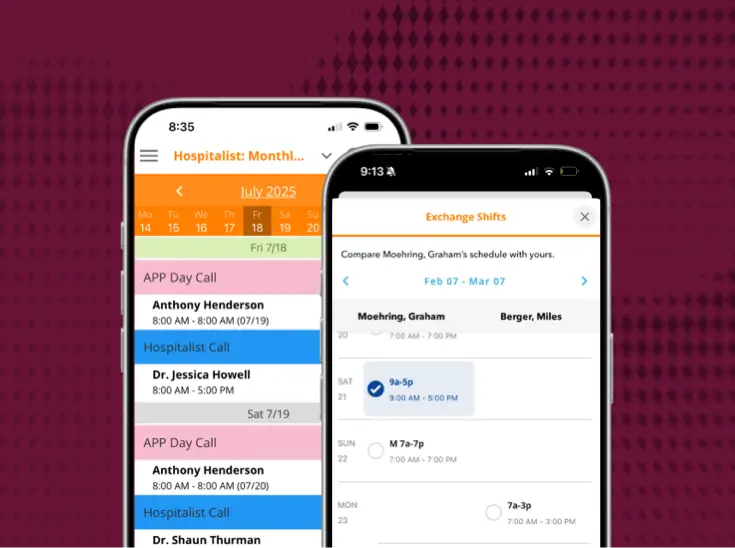
A new operator should be able to sit down, see who’s on call, search for the right clinician or department, understand the appropriate escalation path, and handle the communication without asking the person sitting next to them what to do next.
When that information is built into the workflow, the job becomes easier to learn. Operators spend less time searching across systems or relying on memory, and organizations are less exposed when experienced staff leave.
Most importantly, experienced operators can spend more time applying their judgment and expertise instead of compensating for limitations in their technology.
Why We Built Operator Console
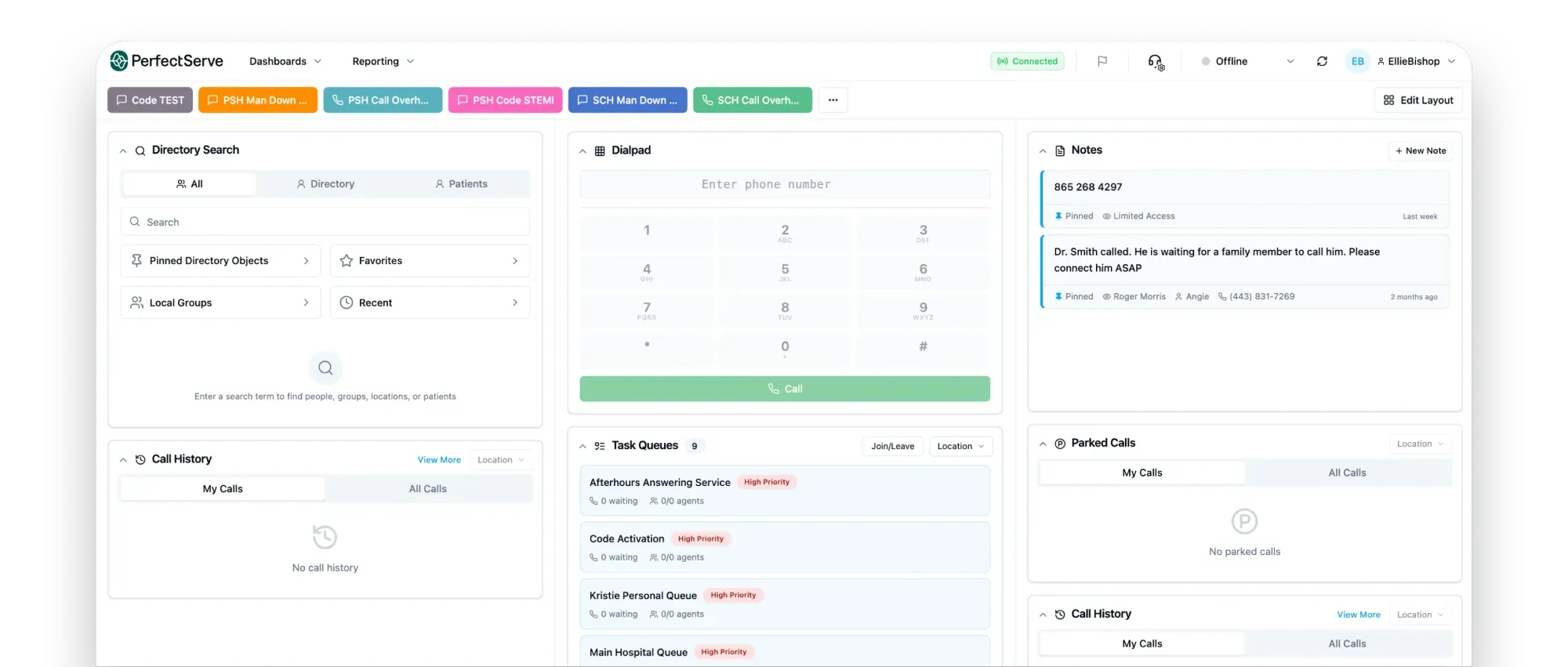
That’s the problem Operator Console was designed to address.
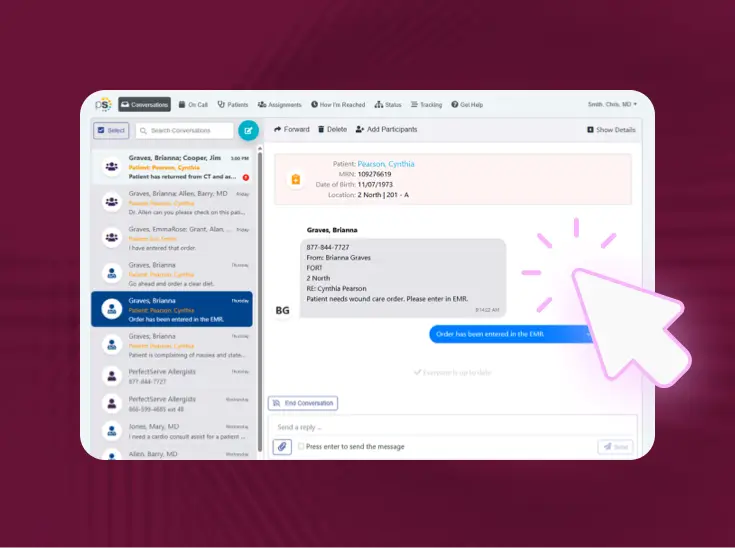
Operators can access live on-call coverage, search people and departments, manage calls and messages, coordinate escalation workflows, and support emergency communications from a single workspace.
Instead of forcing operators to piece together the right answer across different systems, the information they need is available where they’re working.
The goal and process are simple: put more of the organization’s knowledge into the workflow, so operators don’t have to carry all of it themselves.
Experienced operators still bring the judgment they’ve built over years. Operator Console gives the rest of the team a more consistent foundation to work from.
From a Dependency to an Asset
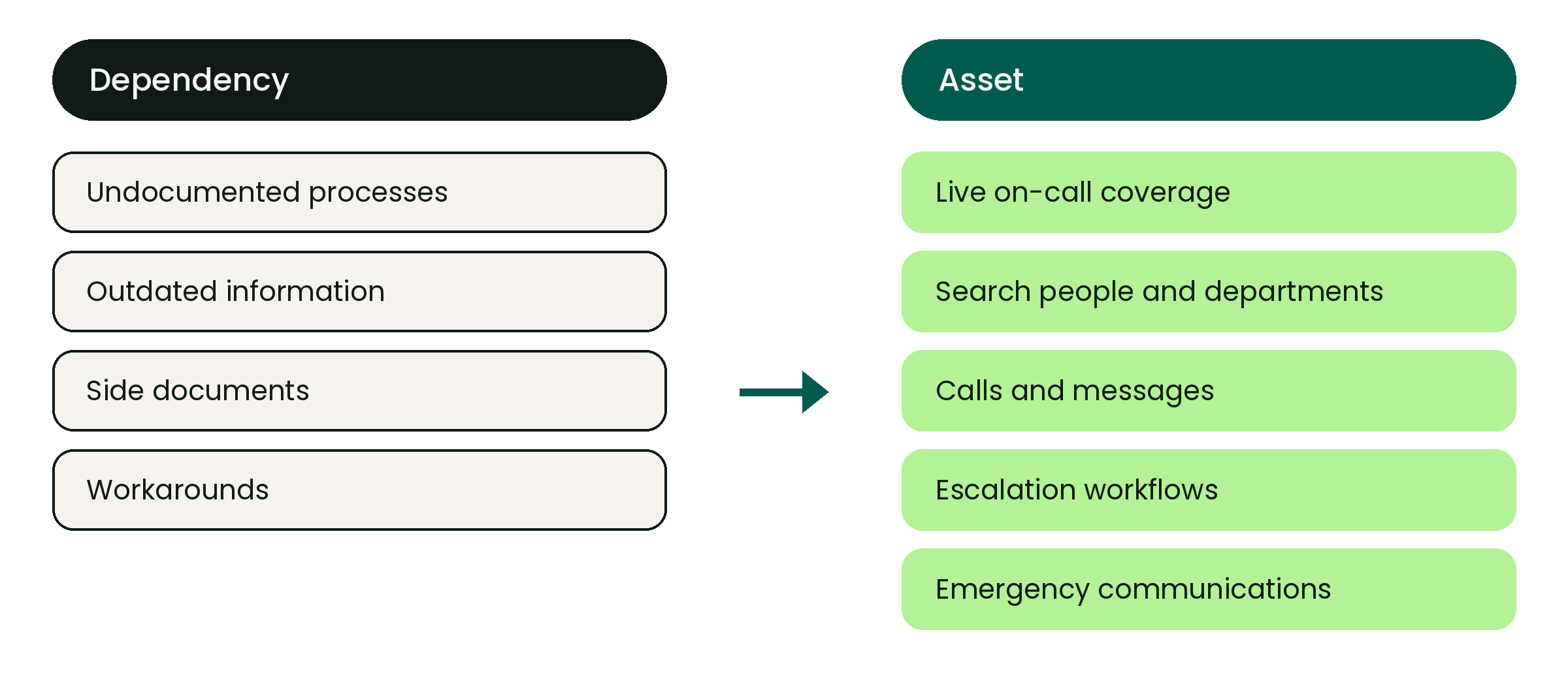
Healthcare organizations have spent decades adapting their operators to the limitations of their technology, and we are here to tell you it doesn’t have to stay that way.
When schedules, directories, communication workflows, and escalation paths are easier to access, new operators can ramp faster, and experienced operators don’t serve as living breathing switchboard instructions manuals.
Institutional knowledge will always matter. The difference is whether that knowledge strengthens the operation or becomes something the operation can’t function without.
Timely communication is essential for care delivery. Finding the right person shouldn’t depend on who’s working the shift.
Take a product tour
Take a short tour to get you acquainted. No form required.
See it working for real teams





.jpg)



.png)






Bring us the workflow that [hurts most]
We'll show you how it runs on PerfectServe, with your teams, your sites and your EHR.