





CMS 2027 Changes: What Hospital Operations Leaders Should Do
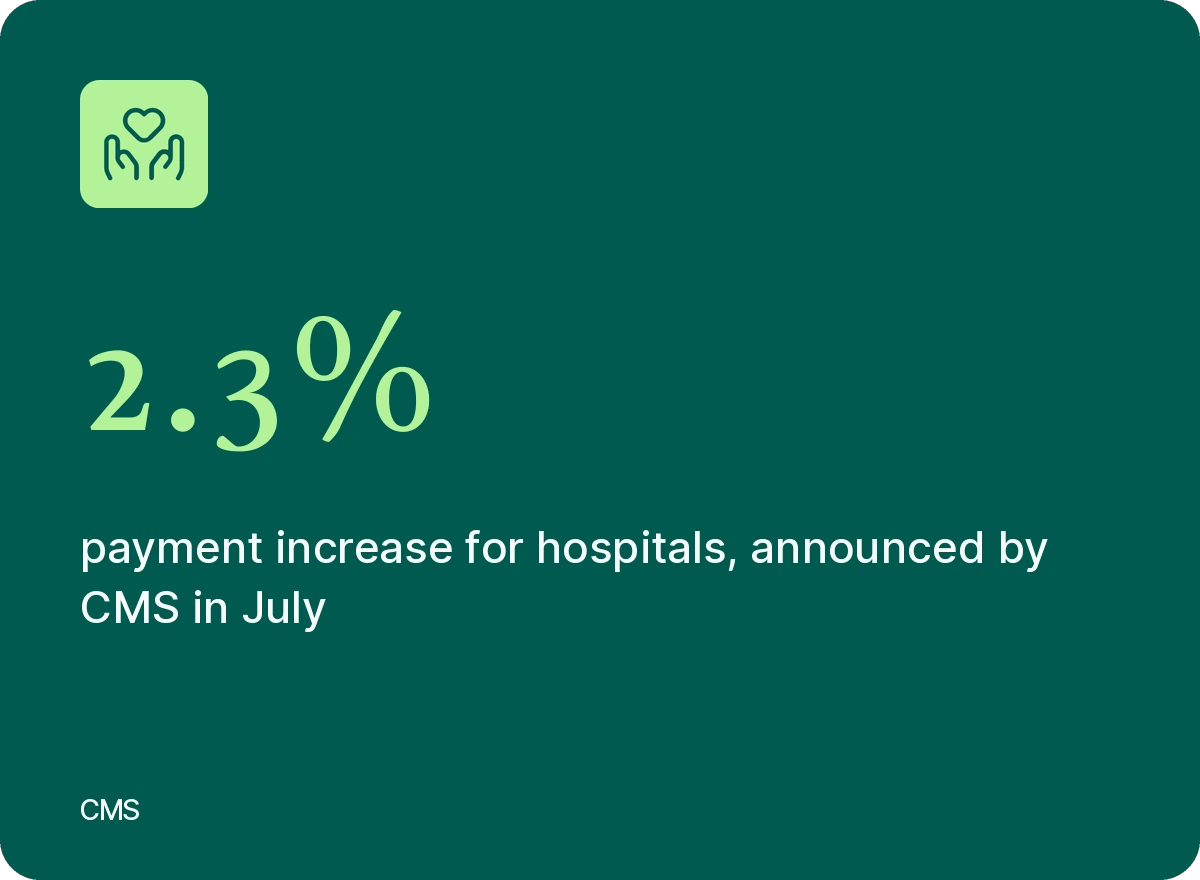
In July, CMS announced a 2.3% payment increase for hospitals. For most, that increase simply won't be enough to offset growing expenses. Examine 2027 CMS rulings and look at strategies operations leaders can use to meet them by improving efficiency and strengthening performance.

In July, CMS announced a 2.3% payment increase for hospitals. While that increase is welcome, labor, supply, technology, and operating costs have been rising for years. For most, that increase simply won't be enough to offset growing expenses.
At the same time, reimbursement continues to be tied to quality reporting, readmission rates, technology adoption, and episode-level performance. That means health systems aren't just being paid for delivering more care but for delivering care more efficiently and more effectively.
Simply put, hospitals can no longer rely on reimbursement increases alone to improve margins. As financial pressures persist and performance expectations rise, operational efficiency is becoming one of the most important strategic priorities for 2027.
So, what does that look like in practice? Let's examine 2027 CMS rulings and look at strategies operations leaders can use to meet them by improving efficiency and strengthening performance.
What's changing and why it matters
The new “Investing in Health Outcomes” initiative launched by CMS for Medicaid and CHIP is designed to shift quality measurements away from process compliance and toward measurable health outcomes. They are specifically focused on prevention, chronic disease management, and behavioral health.
While CMS has traditionally rewarded organizations for proving that work happened via thorough documentation, they are increasingly signaling that they are primarily interested in the entire patient journey and whether patients are getting healthier.
The changes made by CMS are meant to encourage hospitals to focus on care quality and outcomes instead of volume-driven models. With reimbursement being more closely tied to the quality of care delivered, health systems will need to take greater accountability for the entire patient journey.
The most important takeaway is that the response to these changes is in your control: you have the ability to positively increase your productivity and efficiency when you have the right tools in place.
Key areas leaders should focus on in 2027
To improve care efficiency, set broad goals across these categories. These will be foundational to having more transparency throughout your system so you can find where care be improved and eliminate any care silos or gaps.
- Improve care coordination: Readmissions, care transitions, and post-discharge outcomes are critical to a patient’s experience. Do you have the right care communication and coordination solutions in place?
- Reduce administrative burden: Staffing shortages and labor costs are significant challenges, so where burden exists, identify the source. Are staff working at top of license, or are they taking care of patient needs that could be fulfilled by techs?
- Improve visibility across operations: You can’t fix what you don’t know is broken. What are the operational questions you can’t answer easily? For example, how long are calls to the switchboard waiting to be answered? How long until critical lab results are acknowledged? What is the average door to needle time on a STEMI alert? How many times do messages to physicians need to be escalated or rerouted in an average day?
- Strengthen patient access: If a patient’s care event is filled with delays and communication mishaps, it doesn’t just create inefficiencies but also makes their experience worse. Has there been a positive or negative trend in your HCAHPS scores over the last four quarters?
- Eliminate workflow silos: Disconnected systems create delays and duplicate work. What solutions do you have in place with duplicate capabilities? Are your departments aligned on the same communication platform?
5 Steps to increase hospital workflow efficiency
For organization leaders, there are a number of steps you can take to increase hospital workflow efficiency across the focus areas above.
1) Automate Routine Administrative Tasks
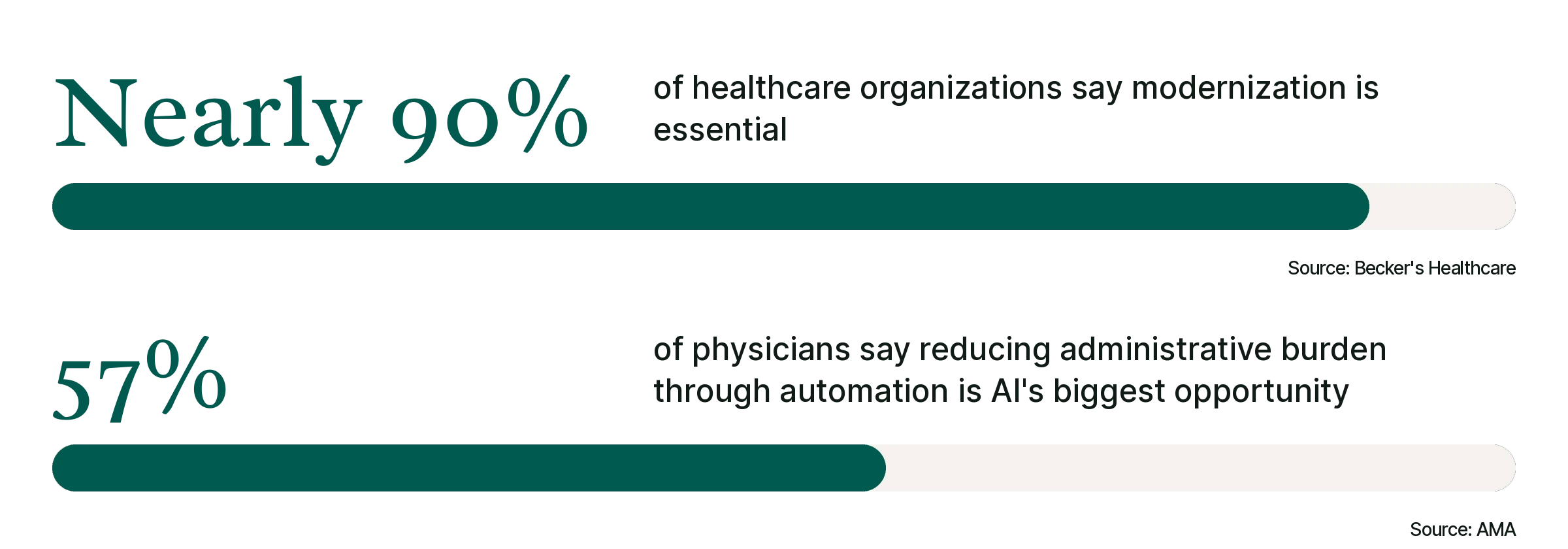
According to Becker’s Healthcare, nearly 90% of healthcare organizations say modernization is essential to keep up with growing clinical, regulator, and financial pressures.1 Modern tools exist that can remove or lessen some of the busy work admin and staff repeat throughout their shifts.
Some of the easiest to implement include:
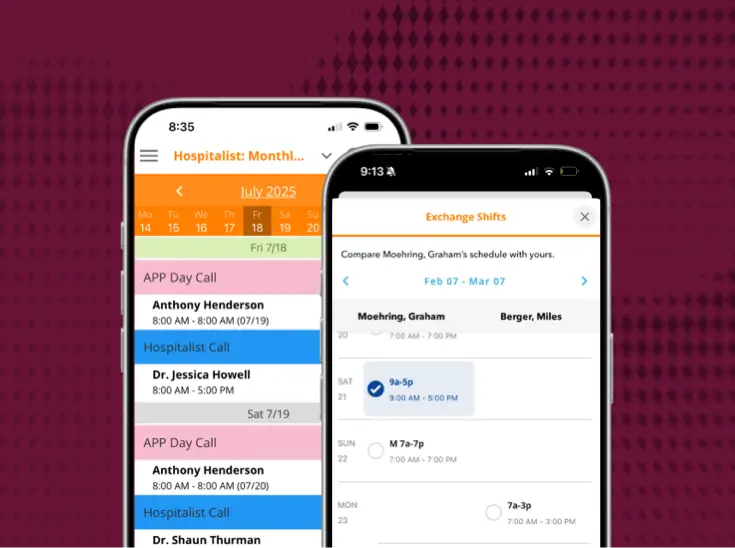
- Scheduling software to make shift and call scheduling faster and more equitable
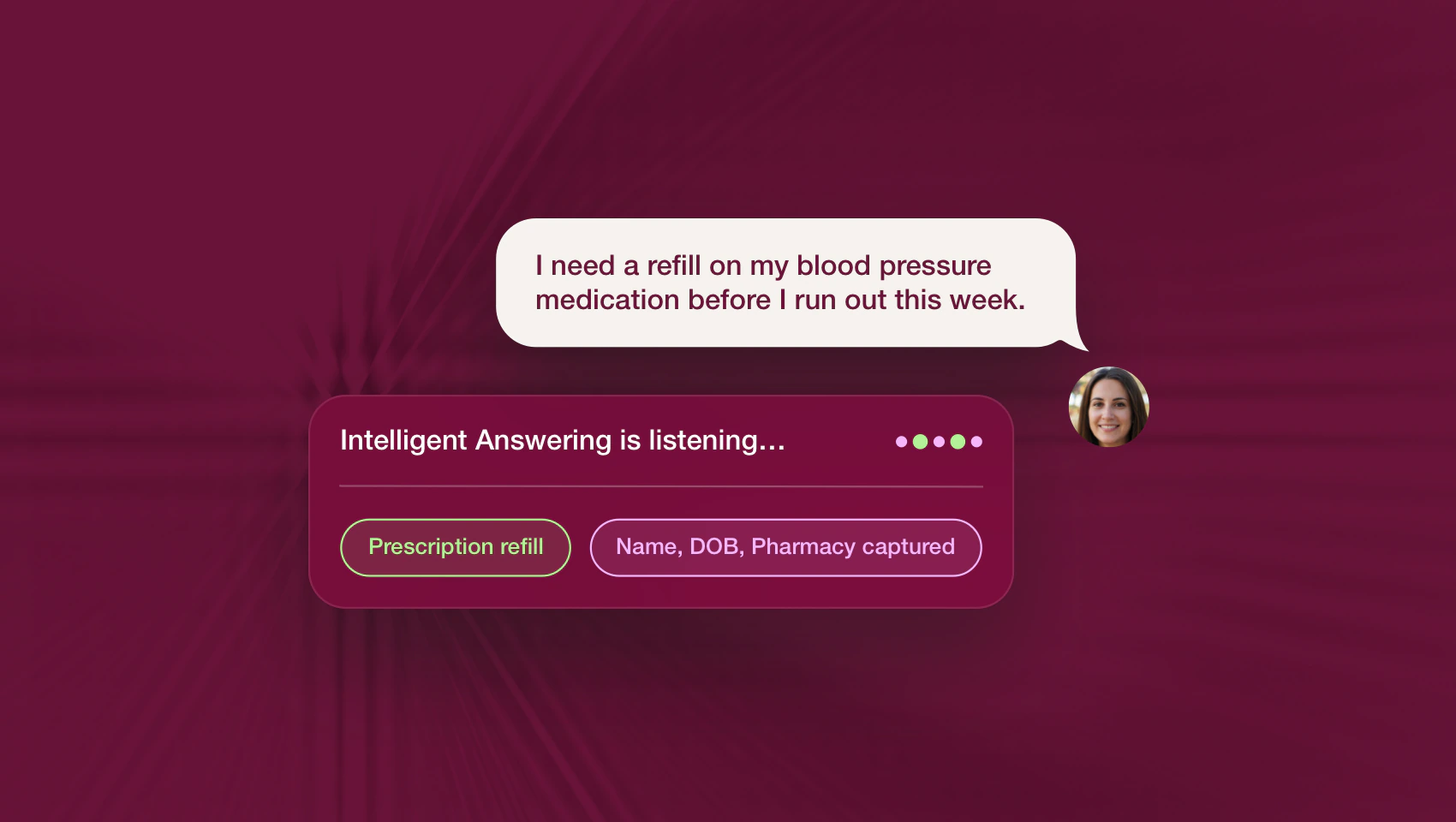
- Call handling tools that automatically route calls based on clinical urgency instead of through humans or phone trees
- Patient communication solutions that send follow-up reminders and other communications
- Referral management solutions that streamline intake and automate status updates
- Prior authorization automation tools that reduce paperwork and accelerate approvals
It’d be remiss to not mention the advancement of AI features for automating healthcare workflows as well. 57% of physicians say reducing administrative burden through automation is AI's biggest opportunity.2 As organizations look for ways to improve efficiency in 2027, AI-enabled workflow automation will likely become an increasingly important part of the conversation.
2) Create More Connected Workflows
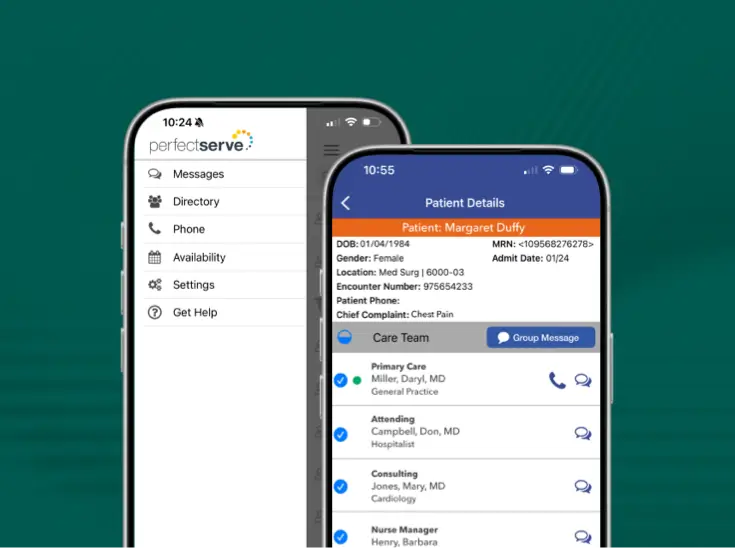
Information should move automatically between systems so staff don't need to track down updates, re-enter information, or monitor multiple applications. While interoperability is often viewed as an IT initiative, its impact is operational because connected systems reduce administrative burden, improve care coordination, and give leaders better visibility into performance.
CMS has repeatedly reinforced the importance of interoperability through:
- discussion of FHIR-based quality measurement
- continued updates to the Medicare Promoting Interoperability Program through the IPPS final rule
- TEFCA participation incentives
- electronic prior authorization requests
- new eCQMs for advance care planning and hospital harm-postoperative VTE
While these initiatives vary in scope, they all work to ensure information can move seamlessly across systems and organizations. To find where interoperability can be improved, operational leaders should ask:
- How much data requires manual abstraction?
- Where is documentation inconsistent?
- Are clinicians entering information into multiple systems?
- Can operational leaders see performance quickly enough to intervene?
- Do we have the infrastructure to turn operational and clinical data into actionable insights?
Ultimately, creating more connected workflows is about making sure the right information reaches the right person at the right time, and that it leads to action.
3) Improve Communication and Escalation Processes
Communication is essential to high-quality care delivery. But when communication takes place across disparate systems, care team staff and left in the dark when messages get sent, who receives them, if anyone responded, and what happened after the fact.
In short, when a message or call enters your system, does the right person see it? If they don’t, are there escalation policies in place to ensure someone responds in a timely manner?
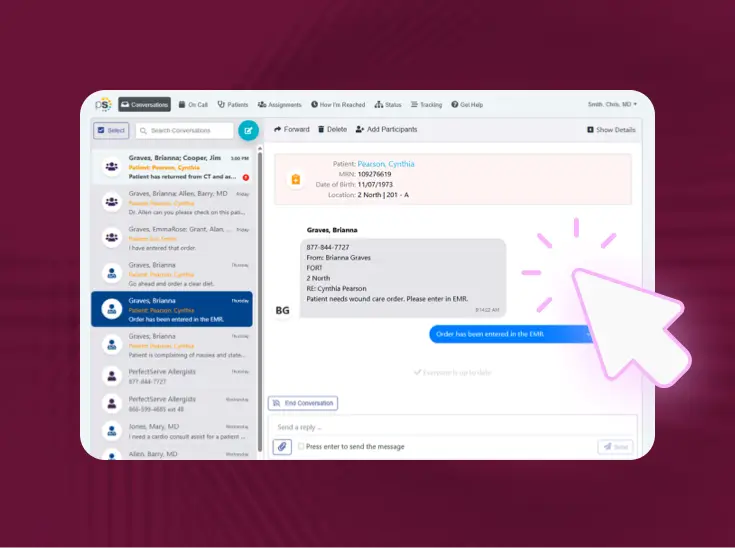
This is one of the few improvements that hits all of the items in your focus areas list. A powerful clinical communication solution designed for healthcare improves care coordination, reduces redundant tasks for providers, improves visibility across your system, and ensures patients receive the most efficient care possible. That alone can move patients through their journey faster, but more importantly, it improves their outcomes and their overall patient experience.
4) Use Data to Drive Action
As CMS continues to expand quality and outcome-based measures, hospitals need more than visibility into performance. They need the ability to act on that information quickly. New initiatives such as the nationwide expansion of the CJR-X bundled payment model, a new sepsis readmission measure for the Hospital Readmissions Reduction Program, and an Excess Days in Acute Care After Hospitalization for Diabetes measure reinforce a growing focus on patient outcomes beyond the hospital stay.
For operational leaders, this means using data proactively rather than retrospectively. Instead of simply measuring performance after the fact, organizations should use data to identify risks, surface bottlenecks, and trigger action before challenges become quality, financial, or patient care issues.
Some questions to get you started:
- Can you identify patients at high risk for readmission?
- Are care managers automatically notified when intervention is needed?
- Can leaders quickly identify operational bottlenecks affecting patient flow?
- Is performance data available in time to take corrective action?
- Are teams able to track outcomes across the entire patient journey?
The organizations that will succeed the most will use their data to improve workflows, prioritize resources, and help the right people take action at the right time.
5) Measure Results
Meeting CMS requirements won't happen without measuring performance, identifying opportunities for improvement, and making adjustments along the way. As reimbursement becomes increasingly tied to quality and outcomes, leaders should ensure efficiency initiatives are linked to clear operational and clinical metrics.
Establish a baseline, monitor progress regularly, and use the results to guide future improvement efforts. The most successful organizations treat efficiency as an ongoing process rather than a one-time project.
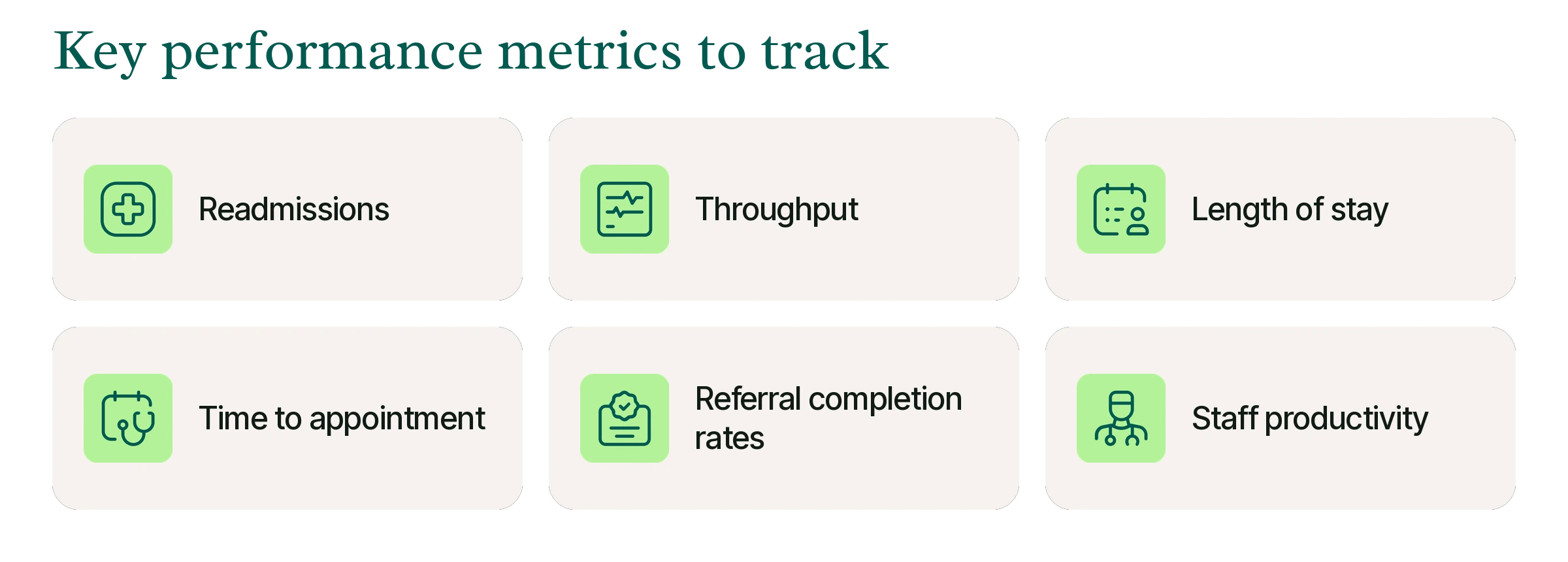
Key performance metrics to track:
- Readmissions
- Throughput
- Length of stay
- Time to appointment
- Referral completion rates
- Staff productivity
Improving efficiency is about removing barriers that prevent staff from delivering the best possible care. With reimbursement becoming increasingly tied to outcomes, it’s time to evaluate the workflows, communication processes, and technology solutions you have in place.
It’s also more important than ever that the vendors and technology you chose are also aligned with this mission. If this article has your mind turning with workflows that could use improvement, let us know. We'll show you how communication runs on PerfectServe.
See it working for real teams





.jpg)



.png)





Bring us the workflow that [hurts most]
We'll show you how it runs on PerfectServe, with your teams, your sites and your EHR.