





Healthcare Workflow Automation: 10-Min DTN Reduction
Executive Summary
- The telestroke program at Allegheny Health Network (AHN) connects 20 spoke hospitals to centrally located stroke specialists.
- In the past, ED staff at these spoke hospitals would request telestroke consults by calling the transfer center, which would then page the on-call telestroke physician. This process caused delays if calls and pages weren’t immediately answered.
- AHN tapped PerfectServe’s secure messaging and intelligent routing capabilities to make telestroke consults more efficient.
- Led by Chris Hackett, Sr. Project Manager for Virtual Health, the initiative leveraged PerfectServe to automate consults and reduce treatment delays.
https://youtu.be/d02m35Hoy5U?si=Les2LHGVGiOt-63j
A Large Health System Committed to Improving Stroke Outcomes
Allegheny Health Network (AHN) is a nonprofit health system in western Pennsylvania with 14 hospitals, 275+ care sites, and 3,000 physicians across all specialties. With 23,000 employees, AHN plays a vital role in supporting the region’s health and well-being.
How Manual Communication Delayed Stroke Treatment
Chris Hackett, Sr. Project Manager for Virtual Health at AHN, oversees all virtual initiatives at the health system’s Neuroscience Institute, which includes the telestroke program. When he noticed communication delays were affecting stroke treatment times, he began looking for a better solution.
When a patient presents at the hospital suffering an acute ischemic stroke, the American Heart Association’s stroke guidelines recommend access to the stroke team within 10 minutes and a door-to-needle (DTN) time of 45 minutes or less.1 As more time passes, more brain cells die. To quote one popular saying, time is brain!2
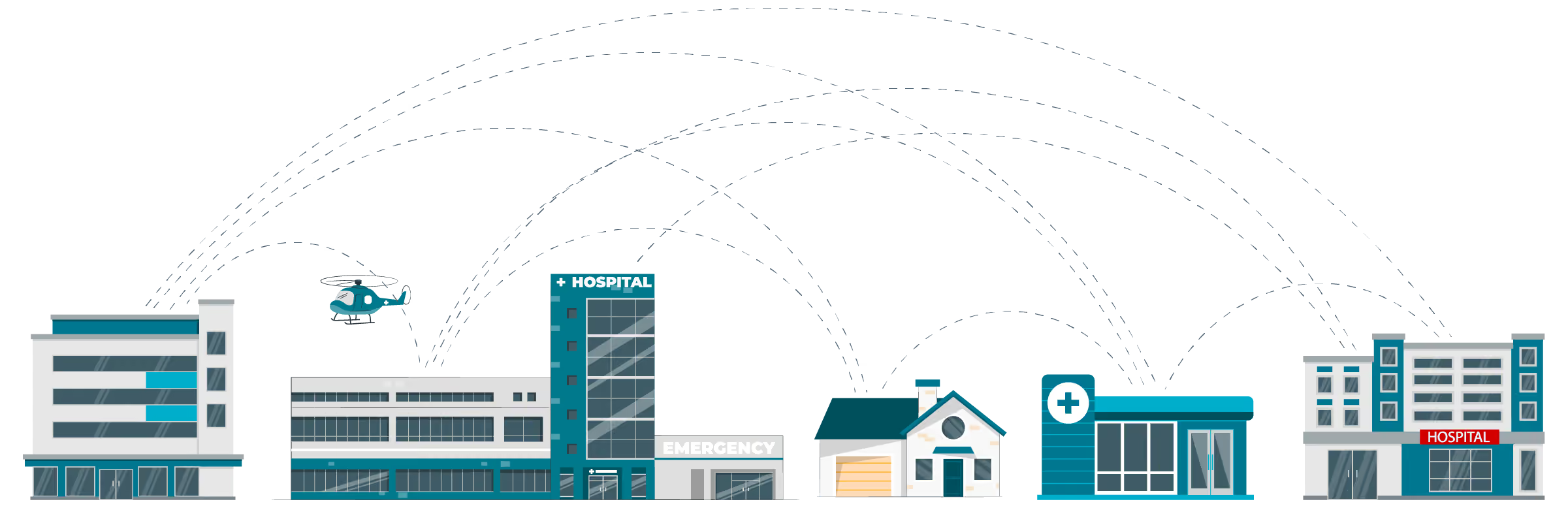
Because stroke treatment is a consistent area of focus for AHN, their telestroke program coordinates with 20 spoke hospitals in their western Pennsylvania footprint to provide remote consults with stroke specialists. Rural and smaller hospitals don’t always have these specialists on site, so the value of AHN’s telestroke program cannot be overstated.
In the past, this telestroke process relied heavily on calls and pages. During a typical stroke encounter, the ED staff from the receiving hospital would call the AHN transfer center, and one of the agents from the transfer center would then page the on-call telestroke physician, who would then call the facility to complete the consult.
In theory, this communication chain could facilitate a timely consult, but manual communication in healthcare is almost always susceptible to delays and breakdowns that can negatively impact patient care. That’s exactly why Chris decided it was time for an updated healthcare communication system. He wanted a faster, more reliable, and more data-visible process to support treatment efficiency.
"To be honest, we just needed a process that could move at the speed of stroke care," Chris said. "The old model wasn’t broken, but it was clunky. When every minute counts, we knew we could do better than clunky."
Chris Hackett
Sr. Project Manager for Virtual Health

Automated Healthcare Workflows Improve Telestroke Consults
In his quest to give the telestroke consult process a tune-up, Chris quickly turned to PerfectServe, which was already being used by AHN for broader clinical communication purposes. He knew the platform championed better care team communication with routing, so he figured it would be a good place to start.
"PerfectServe was already part of our communication toolkit, so we weren’t necessarily reinventing the wheel—we were just using it more intentionally," Chris noted. "The ability to route messages based on real-time schedules made it the obvious choice for this workflow."
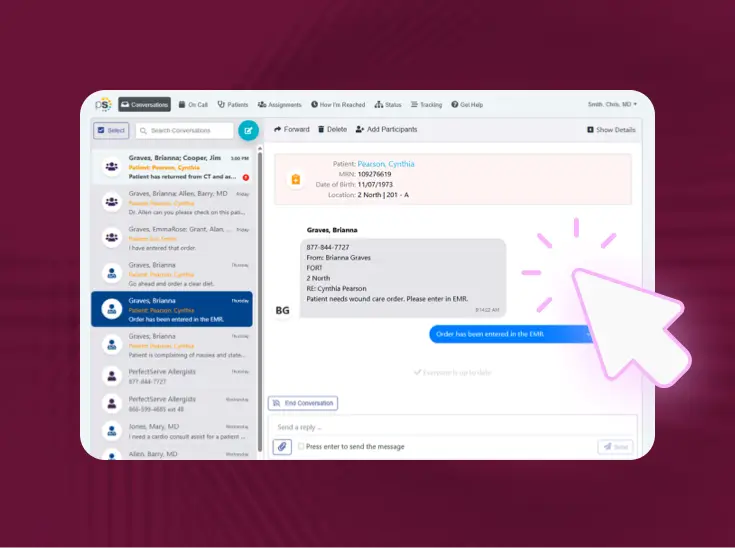
Chris worked closely with the PerfectServe team to design a group messaging workflow that could easily be initiated by ED staff. With this process, any approved ED staff member at one of the spoke hospitals could send a telestroke alert through the PerfectServe platform.
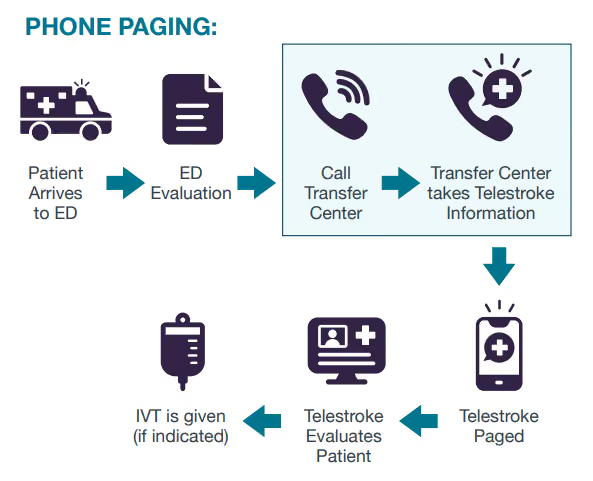
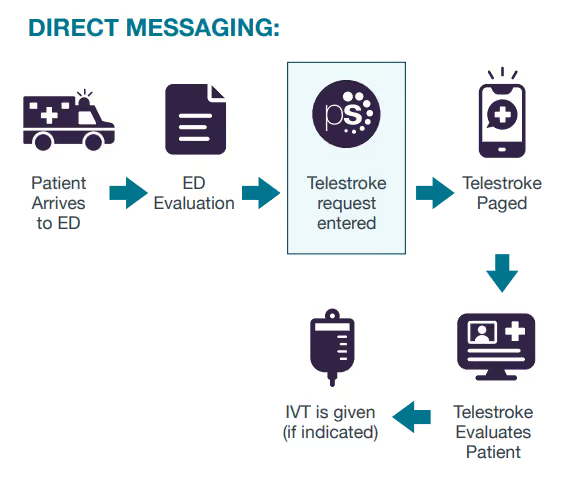
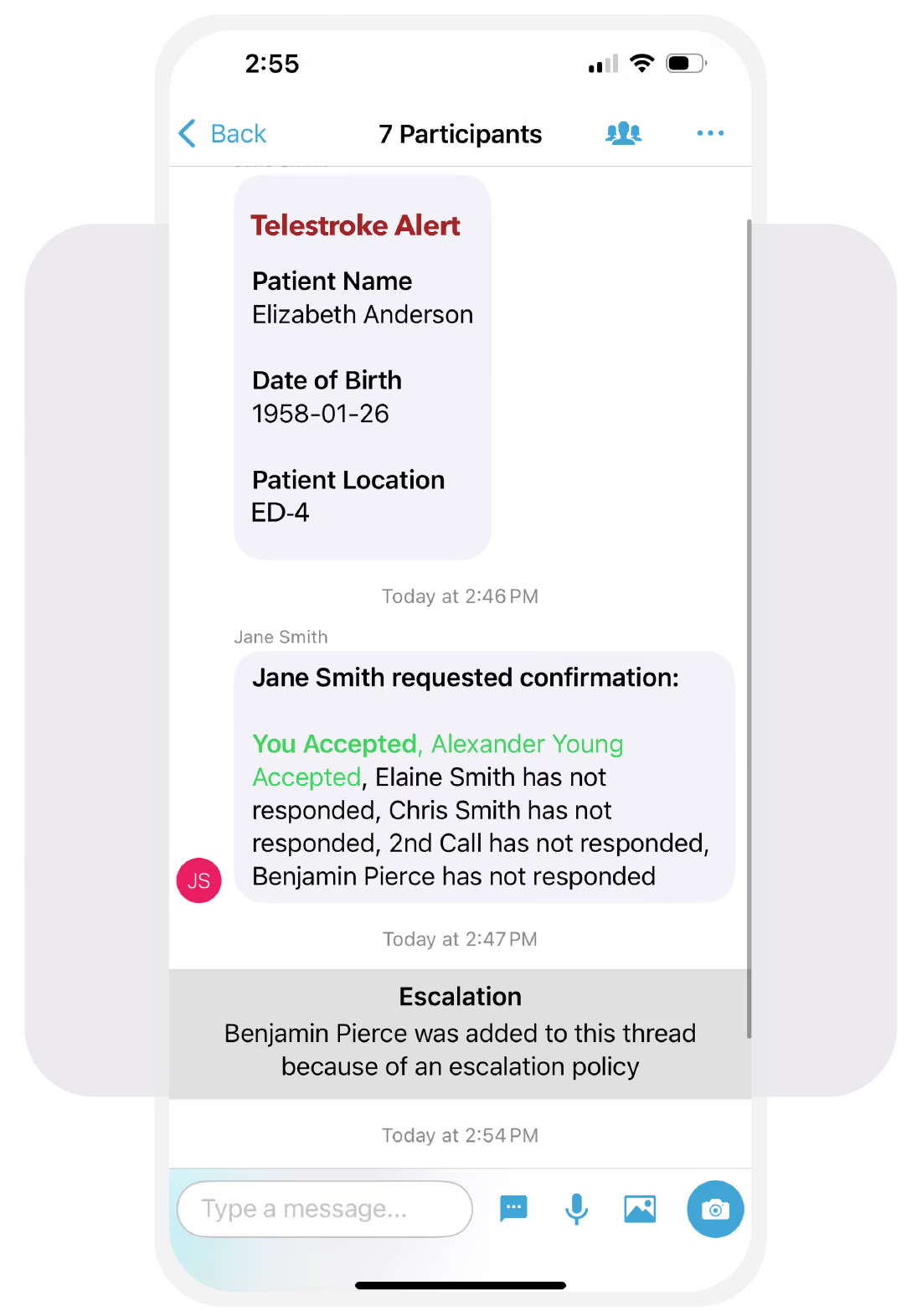
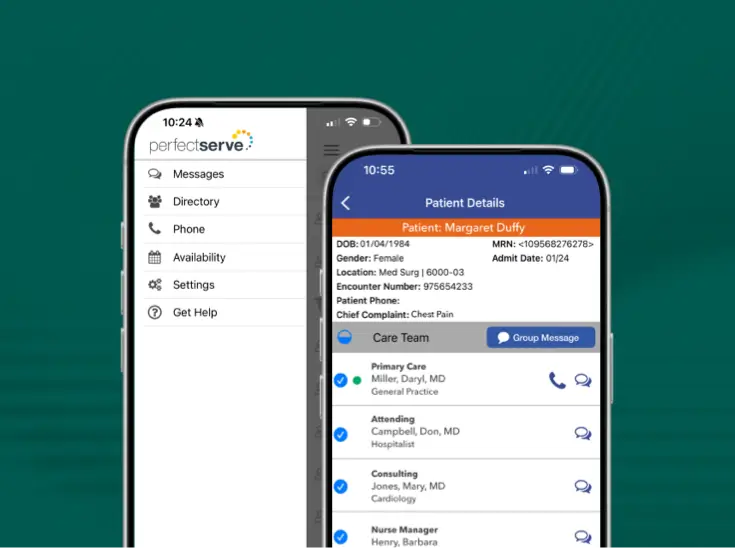
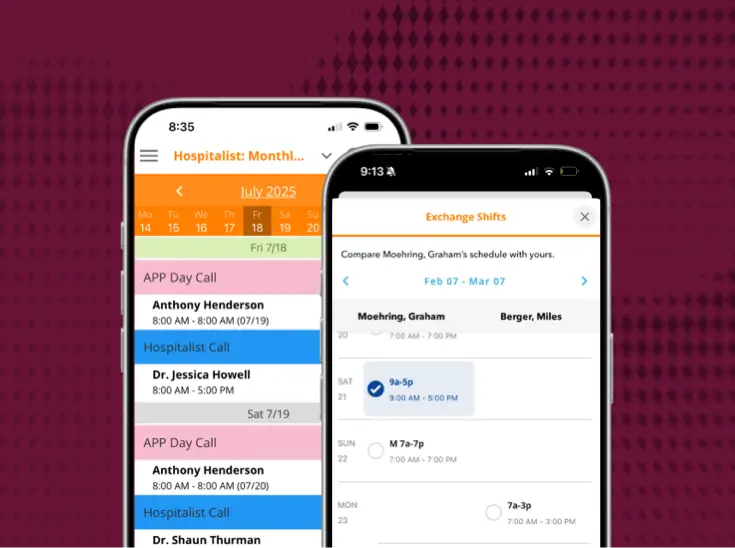
The alert functions like an advanced group message, instantly looping in both the transfer center team and the on-call telestroke physician. PerfectServe automatically references a real-time schedule to pull the right physician into the conversation, and predetermined escalation rules ensure that messages are forwarded to someone who can take action if they go unanswered for a set amount of time. All parties can see replies and even granular details like when messages are read, which makes it easier for everyone to stay current on status.
AHN elected to do a staggered rollout with a combination of in-person and virtual training, which included working with PerfectServe to design tip sheets and other training materials. Because the telestroke program involved 20 hospitals, and because almost any clinician at one of these hospitals could initiate the alert, the change management process required a well-organized effort to get everyone up to speed.
"With 20 hospitals in play and a broad group of potential users, training was a big lift," Chris said. "But once people saw how easy it was to initiate a consult and how quickly it got results, they were sold."
10-Minute Faster Door-to-Needle Time with Fewer Transfer Center Calls
Eighteen months after PerfectServe became the de facto clinical communication platform for telestroke consults, Chris and the AHN team did a retrospective data analysis to take a closer look at the impact.
66%
The new workflow reduced median paging duration by 66%.
85%
With PerfectServe, 85% of telestroke pages are completed within 3 minutes. That compares to just 29% with the old process.
Median DTN time also decreased by 10 minutes, which is clinically significant given the AHA’s DTN guideline of 45 minutes or less.
The workflow also decreased calls to and from the transfer center by 10,000 without impacting transfer times for patients needing endovascular therapy.
These results show that fast, effective EDto-stroke team communication speeds up decisions and cuts treatment delays.
The PerfectServe workflow may also open other doors for AHN’s stroke treatment protocol. Because a consult can be initiated and acknowledged in about a minute, Chris and his team are hoping they can default to a video-first telestroke model across the board. As it stands right now, stroke specialists do a mix of phone and video calls for consults, but a videofirst approach could help AHN reduce treatment delays even further.
"When you look at stroke care, shaving off 10 minutes can be the difference between a good outcome and a devastating one," Chris said. "The data confirmed what we hoped when we kicked the project off. We weren’t just speeding things up, we were making a measurable difference for patients."
Scaling Workflow Automation to Neurology Consults
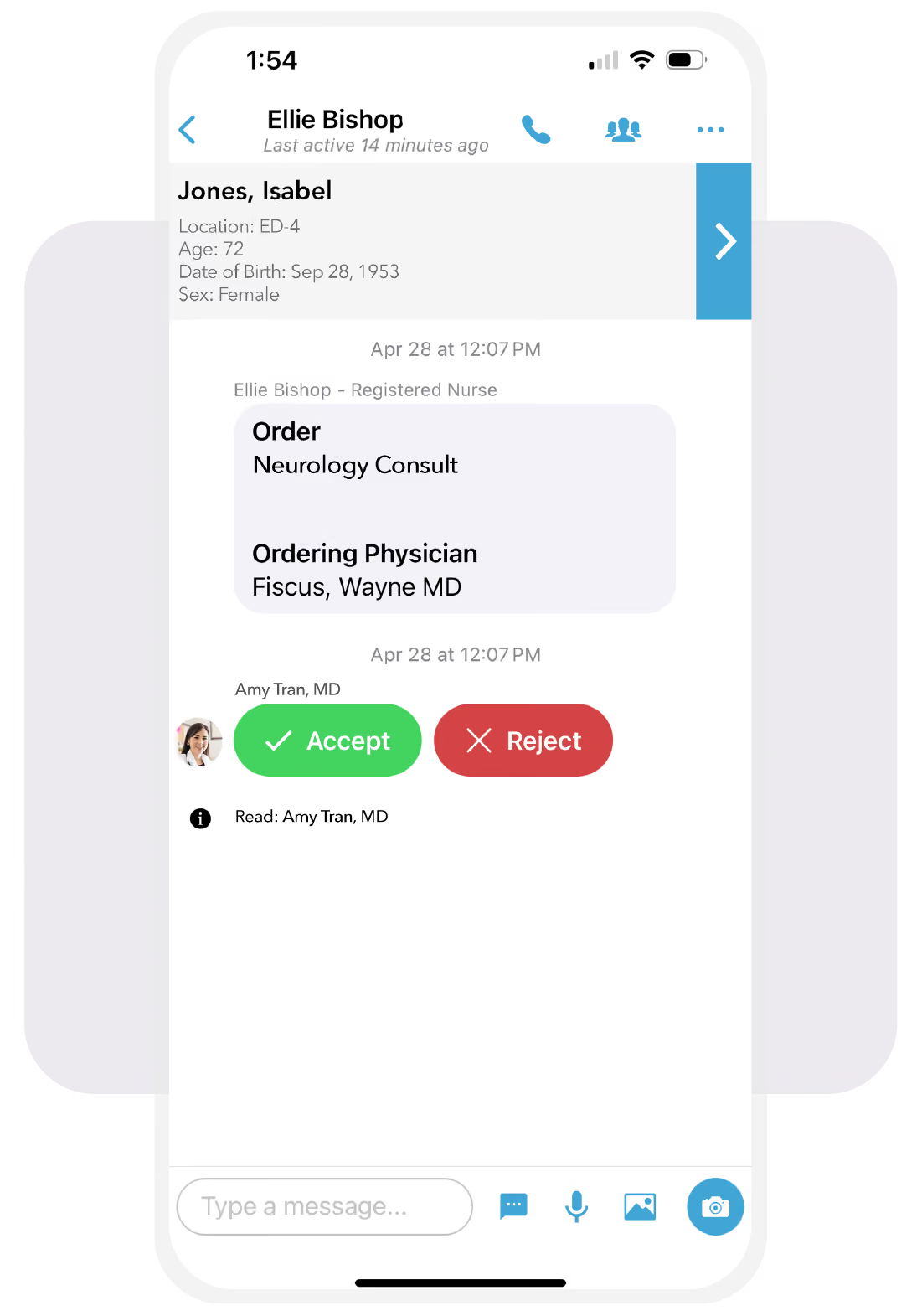
The success of the telestroke project has encouraged Chris to think of other ways that PerfectServe’s automation expertise might come in handy. Neurology consults are top of mind.
The current communication method for teleneurology and inpatient neurology consults is manual and often relies on EHR messaging, which lacks PerfectServe’s routing capabilities. This can cause delays, and the more basic nature of the process makes it harder to track things like physician response rates and consult completion time.
With a PerfectServe-enabled process modeled after the telestroke program, Chris believes AHN could improve the turnaround time for neurology consults, with richer data to support their efforts.
"This project showed us what's possible when tech actually supports the way clinicians work," Chris observed. "It wasn’t about adding yet another tool to bog our staff down. It was about creating a smarter and simpler path to better care."
These insights could address perceptions about consult delays, especially at remote facilities, and help AHN use their resources more effectively.
"Neurology consults have some of the same pain points we saw with stroke," Chris said. "If we can bring the same level of speed and visibility to those workflows, it’ll be a big win for patients and providers."
Communication Technology That Moves at the Speed of Stroke Care
The success of AHN’s PerfectServe telestroke project shows that, when supported by the right technology, targeted workflow changes can generate some serious clinical benefits. Perhaps even more exciting is that this model can almost certainly be applied to other time-sensitive consult workflows beyond telestroke, which means AHN’s runway for success driven by efficient communication just got a lot longer.
Discover the latest from PerfectServe




.jpg)

.png)



Bring us the workflow that [hurts most]
We'll show you how it runs on PerfectServe, with your teams, your sites and your EHR.