


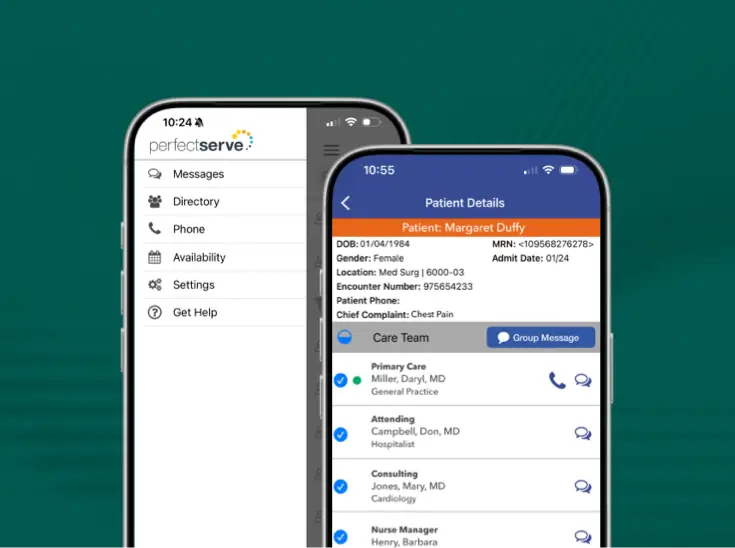
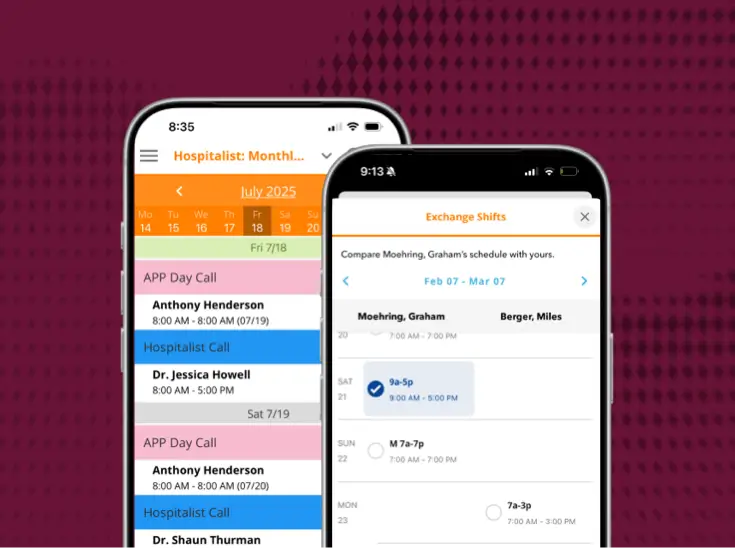
Enable [more efficient operator workflows] and care team collaboration
PerfectServe’s cloud-based Operator Console helps coordinate communication across facilities, remote teams, and virtual workflows, giving operators a central point for keeping patients and care teams connected.
See Operator Console in action
Why healthcare organizations are moving to Operator Console
A single platform for operator workflows
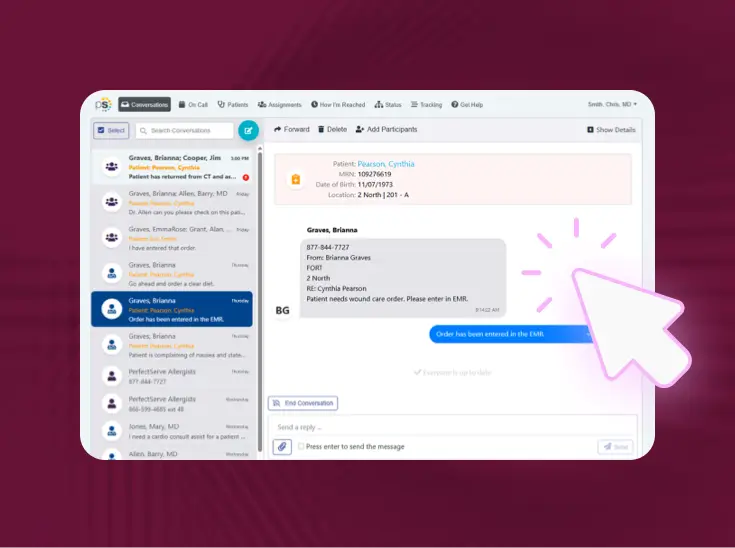
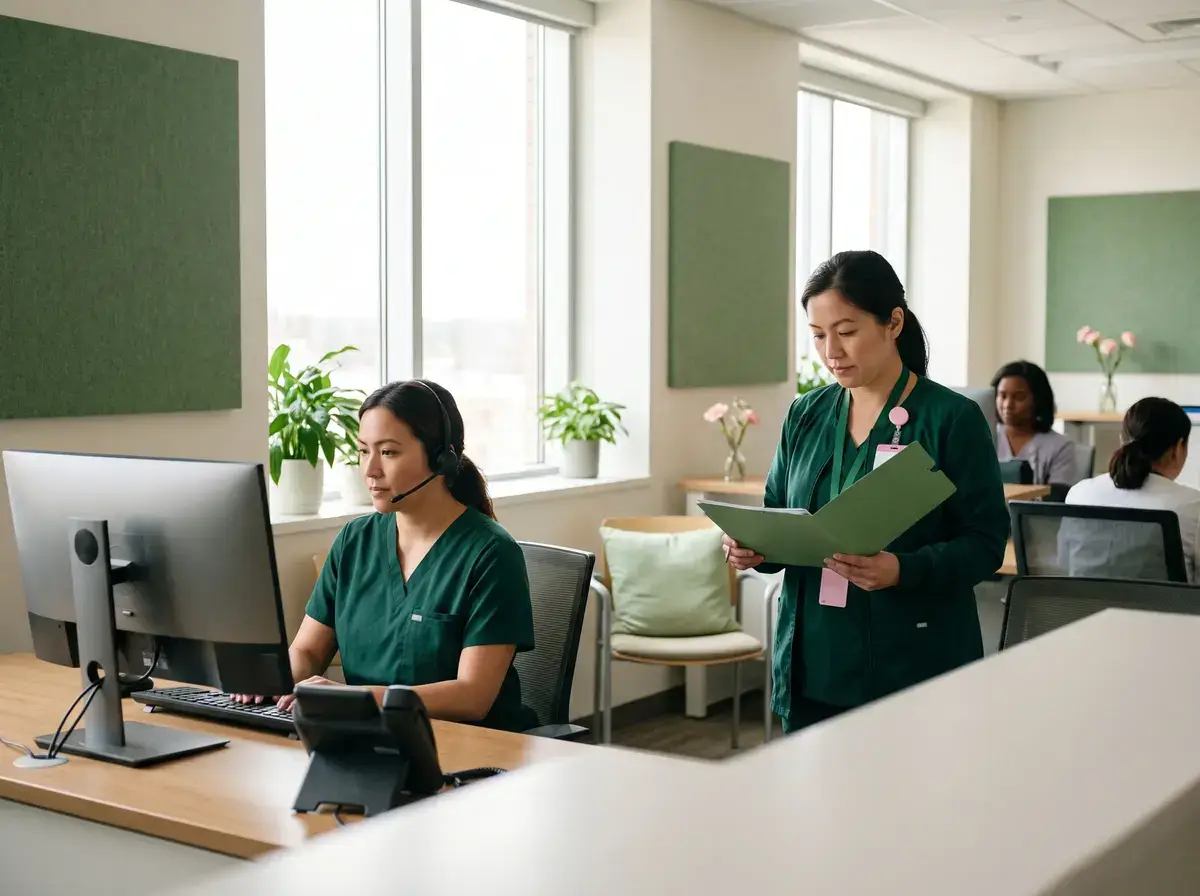
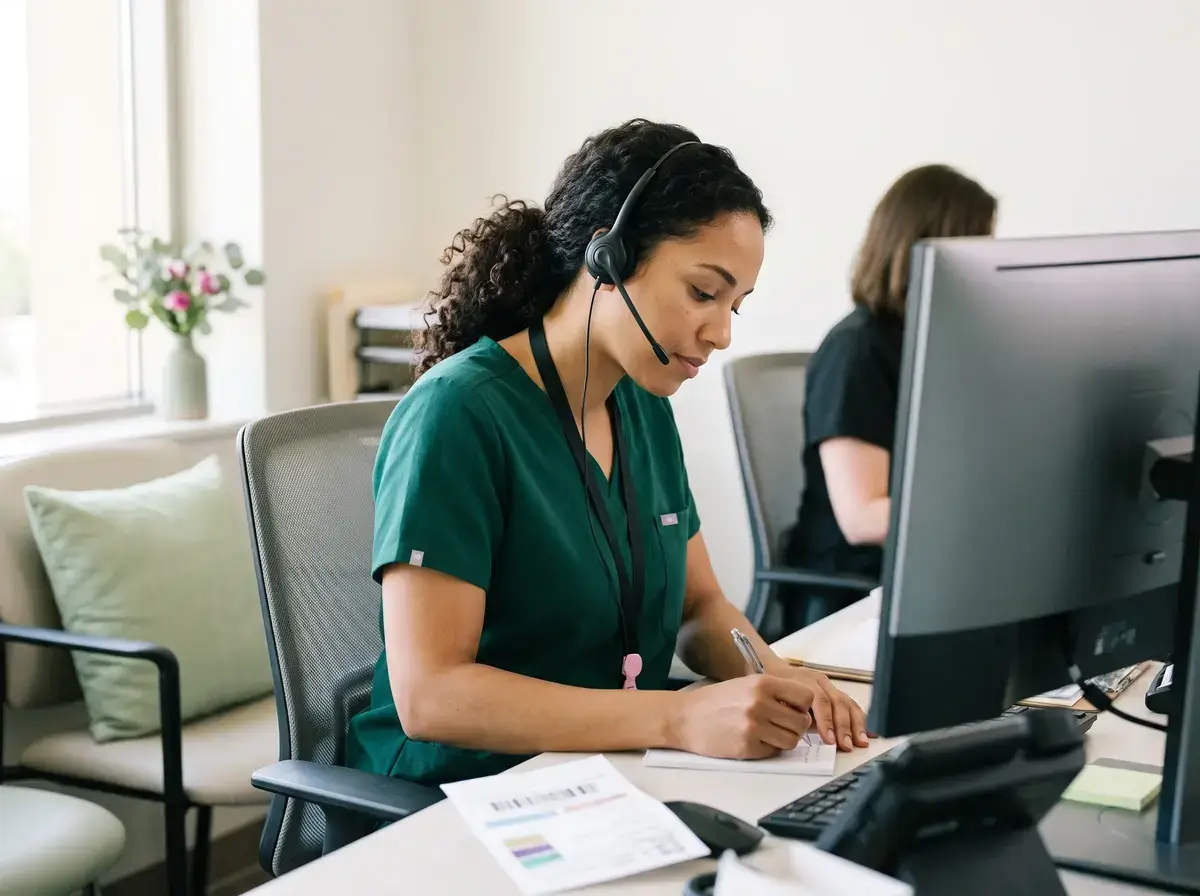
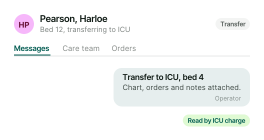
Rather than forcing operators to switch between five separate systems to do their jobs, Operator Console enables more efficient collaboration from one screen. Operators can manage call traffic, look up schedules, send messages to the care team, and execute one-click code alerts in the same app.
Moving from a server room to the cloud
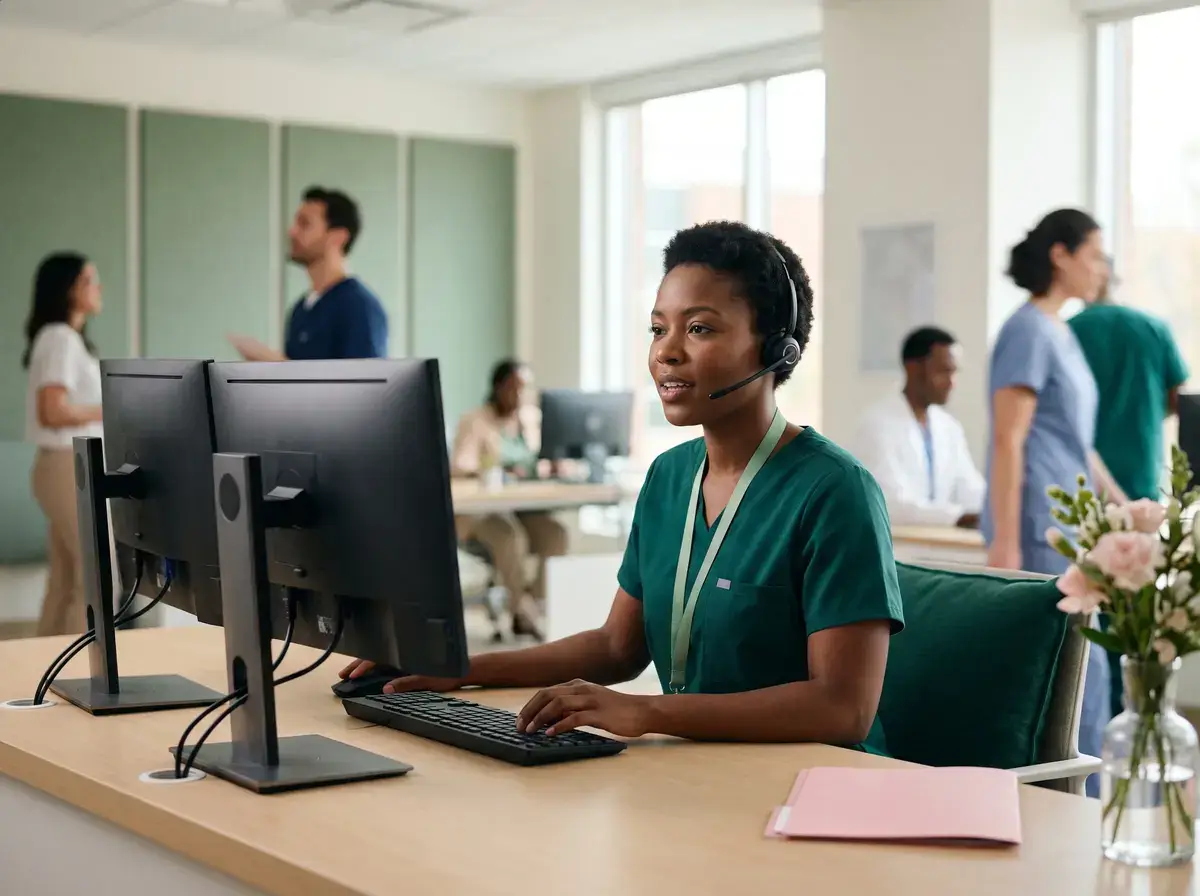
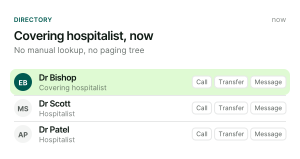
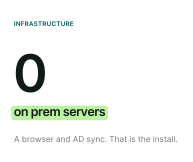
Traditional switchboard systems have used on-prem servers and hardware for decades. Moving to a cloud-based system enables access from everywhere, over-the-air software updates, real-time sync with systems like Active Directory, and less downtime risk during emergencies like extreme weather events.
Integrate with key clinical, IT, and telecom systems
With support for hundreds of integrations, Operator Console connects to all the systems that make operations tick at your organization: EHR, PBX and telephony, UCaaS, CCaaS, provider scheduling, clinical communication, patient flow and ADT, nurse call, identity and Active Directory, mass notification, answering service, and more.
PerfectServe is the Gartner® Magic Quadrant™ Leader
PerfectServe has been recognized as a Leader in every edition of the Gartner Magic Quadrant for Clinical Communication and Collaboration. For 2026, Gartner also named PerfectServe Furthest in Completeness of Vision and Highest in Ability to Execute, and they ranked PerfectServe #1 in all five use cases in the supplemental Critical Capabilities report.
Results from one large health system
Munson Healthcare, a health system with 7 hospitals in Michigan, replaced their on-prem switchboard with PerfectServe Operator Console. They implemented Lightning Bolt Clinical Team Scheduling and Clinical Collaboration in parallel. Over 13 months, they measured:

Three steps to your demo
Connect with an expert who knows what operations in the contact center look like.
Fill out a quick form
We set up a short call
You get a tailored demo
Questions everyone asks first
What separates PerfectServe from other platforms on the market?
The clearest differentiator is that PerfectServe’s scheduling and communication systems share the same underlying data. When a schedule changes, routing updates automatically. That means no manual intervention, no lag, no staff member chasing down who’s actually on call. Most platforms on the market either scheduling or communication well. PerfectServe is built so the two functions inform each other in real time.
What results have PerfectServe customers seen?
Advocate Good Samaritan Hospital reported a 99% decrease in overhead physician pages, Hospital for Special Surgery cut rapid response times 73% (2:30 → 40 sec), and Munson Healthcare’s 7-hospital system retired 600 pagers (~$120K/yr saved) and cut 56,000 calls over 13 months.
How much does PerfectServe cost?
PerfectServe uses custom pricing based on organization size and the solutions you need, such as clinical communication, scheduling, operator console, or medical answering service. Request a demo for a quote tailored to your environment.
Can PerfectServe replace our pagers?
Yes. PerfectServe runs on the devices teams already use (smartphones, desktops, and VoIP phones) and can work alongside legacy pagers during a transition rather than forcing an overnight switch. Organizations commonly use it to retire pager fleets while keeping critical alerts reliable.
Does PerfectServe integrate with our EHR and existing systems?
Yes. PerfectServe integrates with Epic, Oracle Health (Cerner), and 270+ clinical systems, including nurse call and alerting platforms, lab and radiology systems, telephony providers, and pager networks. Messaging can be embedded directly in the EHR, so patient context travels with every on-call message and clinicians don’t switch between applications.
Is clinical communication software only for large hospitals?
No. The best platforms can scale from single-specialty clinics to large health systems. PerfectServe serves both 500+ hospitals and 10,000+ medical practices, using the same routing engine for acute and post-acute care settings.
Is PerfectServe HIPAA-compliant and secure?
Yes. PerfectServe is HIPAA compliant and SOC 2 compliant. Messages are encrypted at rest and in flight, every action is captured in a complete audit trail, and every covered entity receives a signed Business Associate Addendum before going live. See how we make trust and security a priority.
How long does a demo take?
A demo with PerfectServe typically lasts about 20-30 minutes. Schedule one now to see how our solutions can benefit your organization.
Don’t have time? Take a product tour of our solutions.
Do I need a special device to use PerfectServe?
No. PerfectServe works on your legacy devices, smartphones (including both BYOD and shared device models), VoIP and landline phones, desktops, and even pagers. No proprietary devices are required.
What is PerfectServe?
PerfectServe is a leading provider of technology that helps healthcare organizations communicate, coordinate real-time care delivery, and schedule their most valuable assets, including people, rooms, and even equipment. With our clinical communication, physician scheduling, operator console, and medical answering service solutions, we help our customers accelerate speed to care by ensuring the right people are in place at the right time to take action on important information related to patient care.
What is a healthcare operator console?
A healthcare operator console is the software a hospital switchboard or transfer center operator uses to answer, route, and document calls. It combines the clinical directory, on-call schedules, patient location, call queues, and messaging in one interface. It sits on the internal side of the contact center, downstream of the telephony or CCaaS platform that receives the call.
How is this different from a CCaaS platform like Five9, Genesys, or Cisco?
A CCaaS platform handles inbound calls from patients, families, and outside providers. Operator Console handles what happens next inside the building: finding the covering clinician, routing to their preferred device, activating a code team, and completing a transfer with patient context. Many hospitals run both layers. PerfectServe can work with CCaaS vendors so the two hand off to each other, including handoff from an intelligent virtual agent to a human operator.
Does it work with our existing PBX or phone system?
Yes. Operator Console integrates with existing PBX and UCaaS systems, so the phone infrastructure can stay while the operator environment is replaced. PerfectServe supports 270+ integrations across EHR, telephony, scheduling, patient flow, and clinical communication systems.
Does it integrate with the EHR?
Yes. Operator Console integrates with the EHR to surface relevant patient information during a call and to attach patient records to messages. In our 2026 survey of 105 IT and operations leaders, only 39% reported EHR integration in their contact center, which is one reason operators at many hospitals still run the EHR on a second screen.
What is the maintenance burden after go-live?
Cloud delivery removes the on-prem servers, the upgrade weekends, and the version management that a legacy platform requires. Updates apply without a downtime window. Active Directory sync keeps user records current, so clinician onboarding and offboarding follows your existing identity process.
How is access controlled and how is PHI protected?
Access is governed by role-based controls, so an operator, a supervisor, and an administrator each see what their role requires. The platform is HIPAA-compliant, and PerfectServe executes a Business Associate Agreement with every covered entity.
Can the team work remotely?
Yes. The console is cloud-based and hardware-independent, so operators can sign in from a supported device wherever they have a secure connection. Health systems use this to hire outside their local market, keep coverage during weather events or facility disruptions, and offer remote flexibility as a retention tool.
Do we have to replace everything at once?
No. Health systems commonly start with the switchboard and add scheduling, clinical messaging, or emergency alerting later. Munson Healthcare started with the call center and broadened the project scope during evaluation to include integrated provider scheduling.
What does it take to switch vendors?
Among the 105 leaders in our 2026 survey, 51% expected switching to be somewhat or very difficult, and 25% named vendor lock-in as a barrier. Implementation begins with a mapping phase precisely because most of that difficulty lives in undocumented call flows and escalation paths rather than in the technology.