


Turn your switchboard into a [patient command center]
Connect patients and care teams to the right person at the right time, with schedules, clinical context, and communication workflows brought together in one operator experience.

Care has changed. The traditional switchboard hasn't.
Care now happens across hospitals, clinics, remote teams, and virtual settings. Operators shouldn't have to piece together directories, schedules, and disconnected systems to make the right connection.
One command center for every connection.
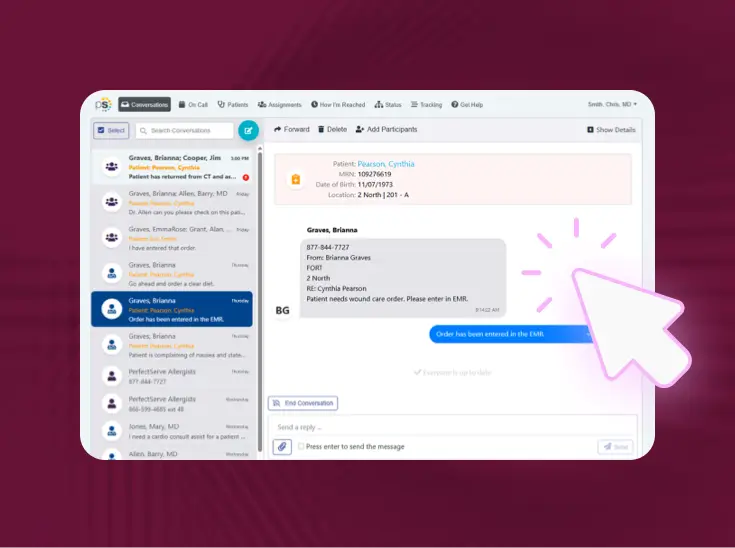
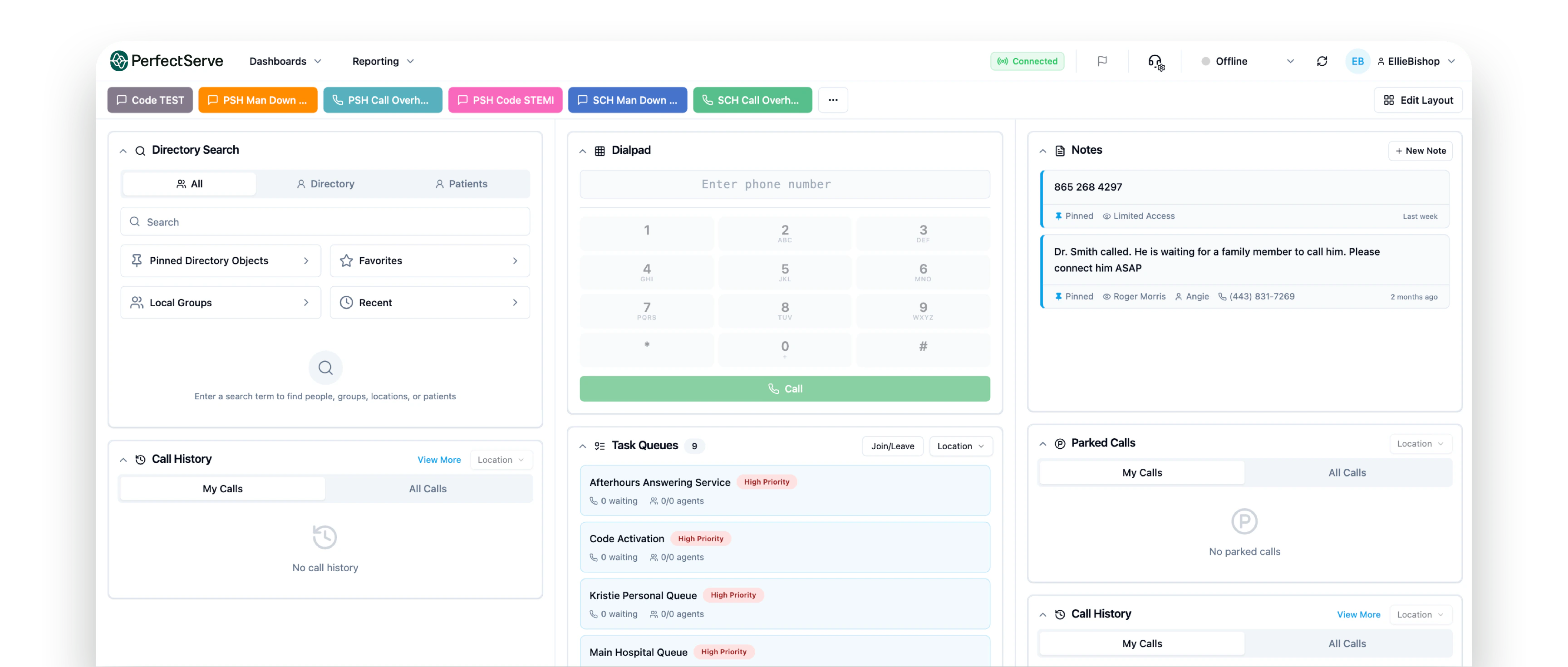
Give operators a single place to see who is available, understand the context of the request, and connect it to the right destination.
Who this is for

IT and operations

The contact center team

Clinicians and care teams
One command center for every connection
Bring the information and communication workflows operators need into one experience, helping them understand who's available, see the context behind the request, and connect patients and care teams to the right destination.
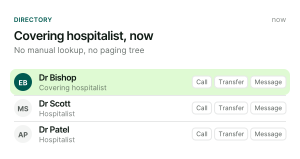
Reach the covering clinician without a lookup


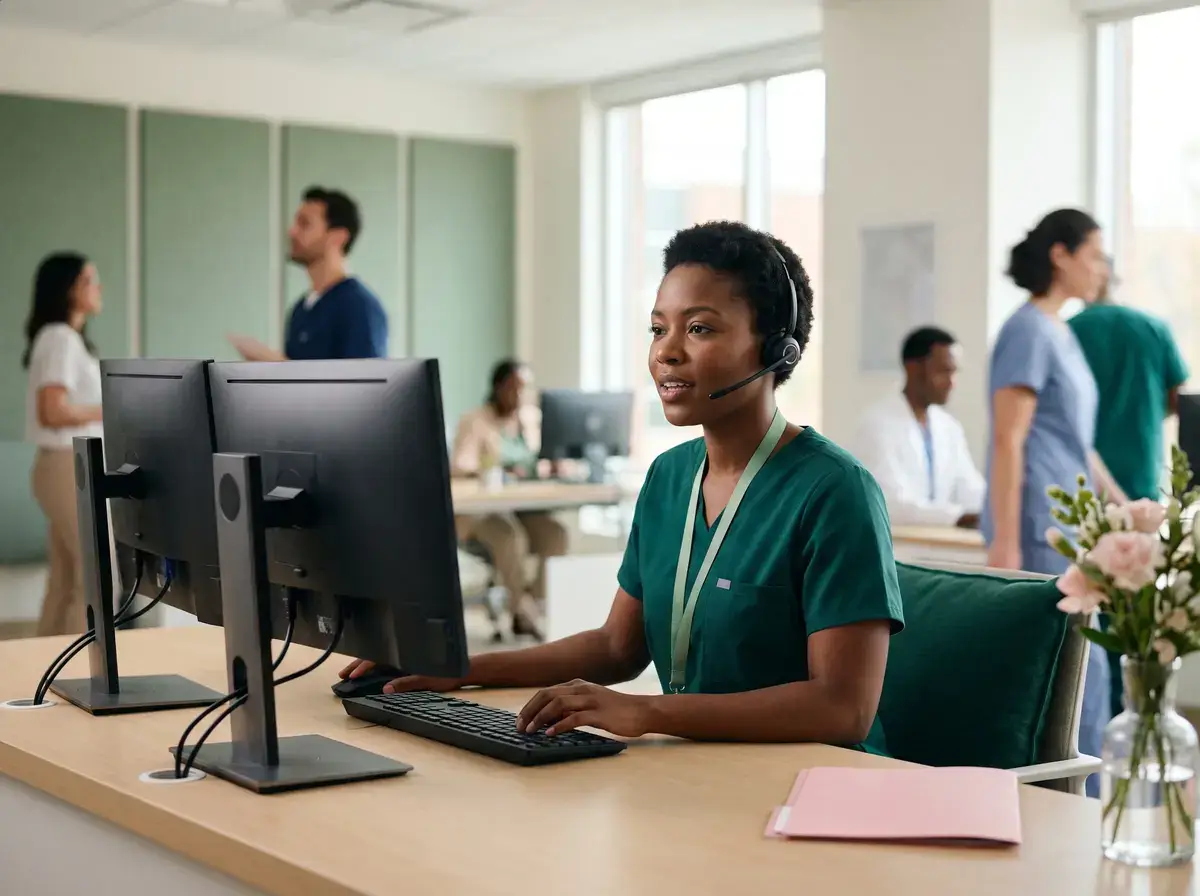
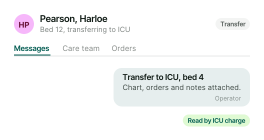
Keep the patient and the message together


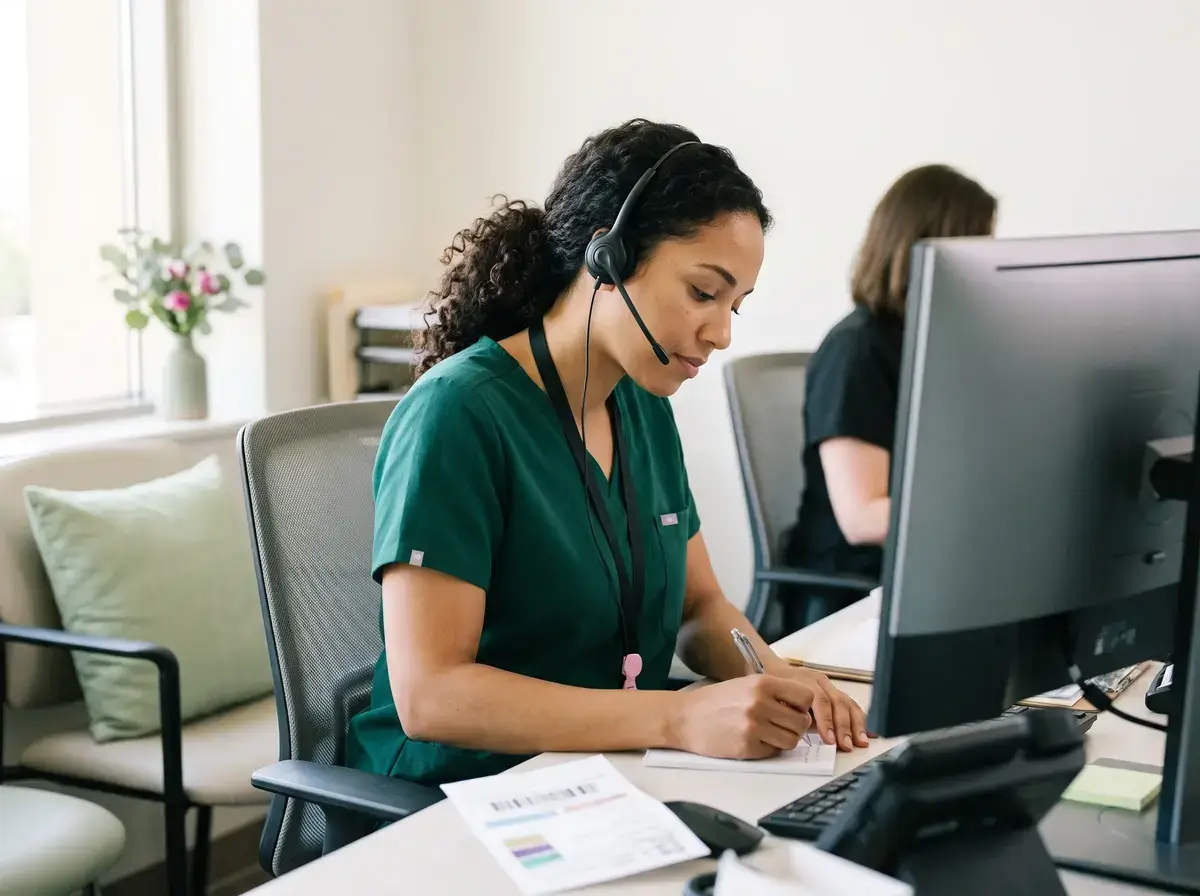
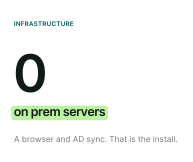
Run it from a browser, not a server room


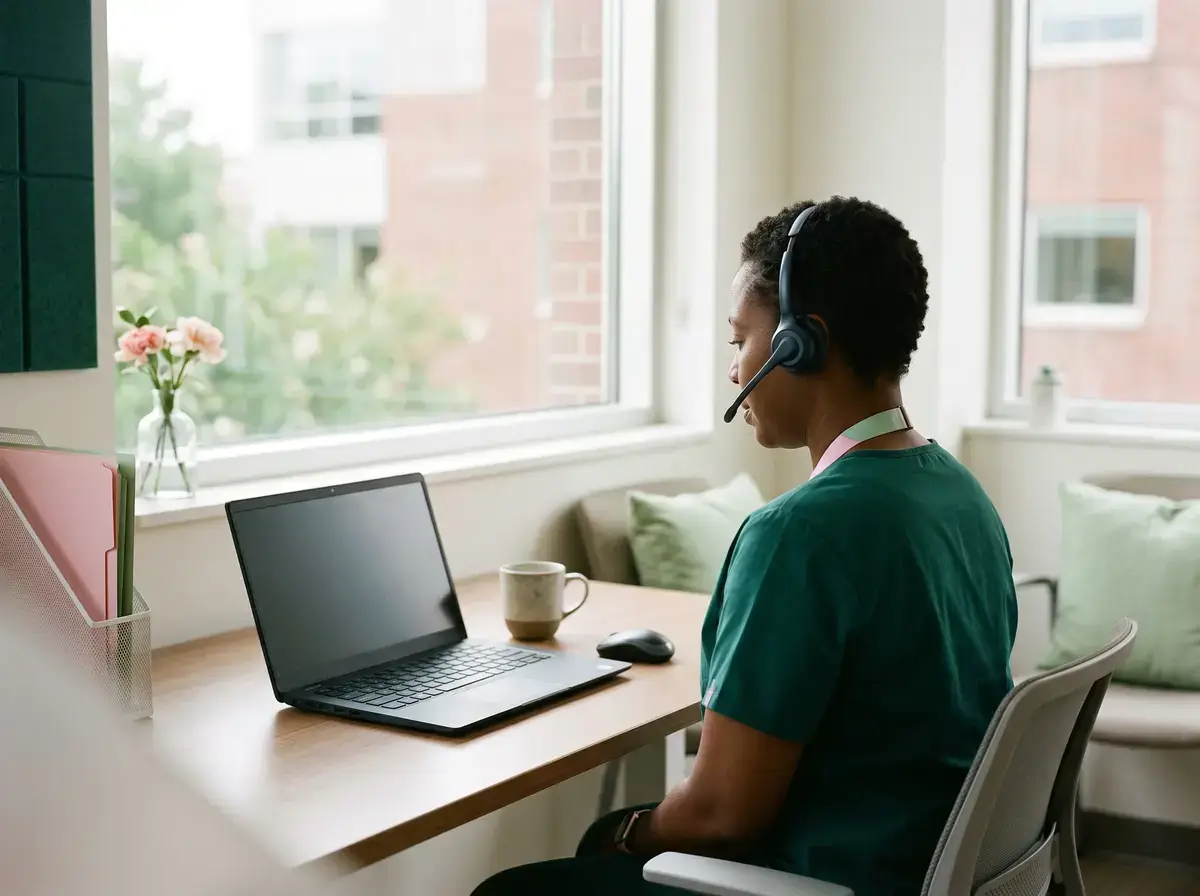
Designed for operator orchestration


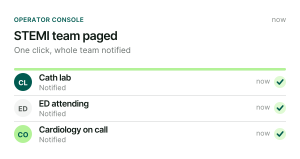

Built for care without boundaries
As care extends beyond the hospital, the people coordinating it need tools that can move with them.
Operator Console helps coordinate communication across facilities, remote teams, and virtual workflows, giving operators a central point for keeping patients and care teams connected.
What you get to turn off
On-prem switchboard servers
Physical pagers

Standalone directories

DECT phones and point tools

Overhead paging for routine requests

After-hours answering vendors for internal routing
It connects to what you already run
What implementation looks like
Implementation is consultative with a defined scope agreed before work starts. Every customer gets a dedicated success team that stays past go-live. The project runs in 3 parts:

Map

Connect

Go live
What changed at Munson Healthcare
Munson's 7-hospital system in northern Michigan replaced a legacy on-prem platform with Operator Console, Clinical Collaboration, and Scheduling.



Questions IT and operations leaders ask
How does pricing compare?
Legacy models involve costly hardware purchases, 3–4 year major upgrade cycles, and price increases at renewal. PerfectServe offers transparent, all-inclusive pricing, plus features, enhancements, and upgrades are all included. No custom hardware required.
We've used a legacy switchboard for years. Is switching worth it?
Yes, other long-term customers of legacy platforms have made the move successfully. Munson Healthcare recently went live with PerfectServe after using an older provider. PerfectServe can even replicate the keyboard shortcuts of that provider in our interface at no extra cost, minimizing retraining friction.
How is PerfectServe's customer support different?
PerfectServe provides 24/7/365 white glove support. By comparison, support is often slow and distant with older providers, as they lack the resources to offer the level of support we do.
How does PerfectServe handle integrations compared to other legacy switchboards?
PerfectServe offers 200+ out-of-the-box integrations for your CRM, patient flow systems, clinical directories, EHR, PBX, paging networks, scheduling systems, and more. It connects to your existing tech, with no need for expensive hardware. Legacy platforms require expensive middleware and costly PBX upgrades to achieve comparable connectivity, and in many cases, offer virtually no integration support.
Do legacy switchboards have a cloud offering?
No. Many older models have notable outages and a failed cloud roadmap. PerfectServe's cloud-based platform means you can get rid of hardware and allow agents to work remotely. Everyone is on a single instance, always on the latest version, with no costly upgrade cycles. Also, the quarterly releases and dedicated support team mean you're never left waiting on a vendor that isn't engaged.
What is the difference between Operator Console and other legacy switchboards?
Many switchboards are built on decades-old, on-premises technology with multiple legacy codebases, with slower innovation, more technical debt, and higher maintenance burden for your team. PerfectServe is a modern, cloud-native platform built for today's healthcare communication needs. Its Operator Console has unified search, real-time call monitoring, and two-way messaging for your call center, and uses single-click activation for critical alerts integrated with your EHR and clinical systems.
How do we get started, and what does it cost?
Patient and Family Communication is a feature embedded within the Clinical Collaboration app. Your PerfectServe account representative can walk you through setup, rollout, and pricing for your organization.
Is there a record of patient and family communication?
Yes. Messaging and video reports capture direction, timestamps, sender, recipient, contents, duration, and status. You can filter them by account and date.
What can clinicians send?
Free-text messages or saved templates, plus PDF, JPG, and PNG attachments. Attachments work in both directions, so patients can send files back too.
Can clinicians start a video visit with a patient?
Yes. From the same thread, a clinician can send a video invite or join right away. The patient opens a browser lobby, is prompted to check their mic and camera, and joins. No separate video app is required.
What is a healthcare operator console?
A healthcare operator console is the software a hospital switchboard or transfer center operator uses to answer, route, and document calls. It combines the clinical directory, on-call schedules, patient location, call queues, and messaging in one interface. It sits on the internal side of the contact center, downstream of the telephony or CCaaS platform that receives the call.
How is this different from a CCaaS platform like Five9, Genesys, or Cisco?
A CCaaS platform handles inbound calls from patients, families, and outside providers. Operator Console handles what happens next inside the building: finding the covering clinician, routing to their preferred device, activating a code team, and completing a transfer with patient context. Many hospitals run both layers. PerfectServe can work with CCaaS vendors so the two hand off to each other, including handoff from an intelligent virtual agent to a human operator.
Does it work with our existing PBX or phone system?
Yes. Operator Console integrates with existing PBX and UCaaS systems, so the phone infrastructure can stay while the operator environment is replaced. PerfectServe supports 270+ integrations across EHR, telephony, scheduling, patient flow, and clinical communication systems.
Does it integrate with the EHR?
Yes. Operator Console integrates with the EHR to surface relevant patient information during a call and to attach patient records to messages. In our 2026 survey of 105 IT and operations leaders, only 39% reported EHR integration in their contact center, which is one reason operators at many hospitals still run the EHR on a second screen.
What is the maintenance burden after go-live?
Cloud delivery removes the on-prem servers, the upgrade weekends, and the version management that a legacy platform requires. Updates apply without a downtime window. Active Directory sync keeps user records current, so clinician onboarding and offboarding follows your existing identity process.
How is access controlled and how is PHI protected?
Access is governed by role-based controls, so an operator, a supervisor, and an administrator each see what their role requires. The platform is HIPAA-compliant, and PerfectServe executes a Business Associate Agreement with every covered entity.
Can the team work remotely?
Yes. The console is cloud-based and hardware-independent, so operators can sign in from a supported device wherever they have a secure connection. Health systems use this to hire outside their local market, keep coverage during weather events or facility disruptions, and offer remote flexibility as a retention tool.
Do we have to replace everything at once?
No. Health systems commonly start with the switchboard and add scheduling, clinical messaging, or emergency alerting later. Munson Healthcare started with the call center and broadened the project scope during evaluation to include integrated provider scheduling.
What does it take to switch vendors?
Among the 105 leaders in our 2026 survey, 51% expected switching to be somewhat or very difficult, and 25% named vendor lock-in as a barrier. Implementation begins with a mapping phase precisely because most of that difficulty lives in undocumented call flows and escalation paths rather than in the technology.

Three ways to [take this further]
Thirty minutes to discuss your call flows and your integrations. We'll show you how Operator Console can help.